




Medical Surveillance
Service
Medical surveillance helps monitor the health of employees who are exposed or likely to be exposed to chemicals hazardous to health (CHTH) in the workplace.
Through health assessments, clinical examinations and relevant investigations, medical surveillance helps with the early detection or prevention of occupational disease and occupational poisoning associated with chemical exposure. Depending on the hazards identified, the programme may include physical examination, medical investigations, biological monitoring or biological effect monitoring.
In Malaysia, the need for medical surveillance is determined based on the findings of the Chemical Health Risk Assessment (CHRA) and other relevant exposure and health information, in accordance with the Occupational Safety and Health (Use and Standards of Exposure of Chemicals Hazardous to Health) Regulations 2000 (USECHH).
Where medical surveillance is required, the medical surveillance component is conducted by a DOSH-registered Occupational Health Doctor (OHD). The scope of the assessment and any additional medical investigations or tests will depend on the chemical hazards, potential health effects and individual circumstances.
CORE OBJECTIVES OF MEDICAL SURVEILLANCE
- Early Detection: Identify early signs of occupational disease, poisoning or other health effects that may be associated with exposure to chemicals hazardous to health.
- Health Monitoring: Monitor employees’ health through appropriate clinical assessments, medical investigations and other relevant health monitoring measures based on the identified chemical hazards.
- Fitness for Work: Assess employees’ fitness to perform work involving the relevant hazardous chemicals.
- Exposure Management: Provide health-related findings and recommendations that can support the review and improvement of workplace exposure control measures and help prevent further adverse health effects.
WHEN IS MEDICAL SURVEILLANCE REQUIRED
The need for medical surveillance is determined through the assessment of health risks associated with exposure to chemicals hazardous to health (CHTH). Under the USECHH Regulations 2000, where an assessment indicates that health surveillance is necessary to protect employees who are exposed or likely to be exposed to CHTH, the employer is required to implement a medical surveillance programme.
Factors that may indicate the need for medical surveillance include:
- CHRA Findings: The Chemical Health Risk Assessment (CHRA) indicates that medical surveillance is necessary based on the nature of the chemical hazard, potential health effects and employees’ exposure.
- Significant or Inadequately Controlled Exposure: Exposure monitoring or other assessment information indicates that employees may be exposed to CHTH at levels that could pose a health risk or that existing exposure controls may require further review.
- Health Effects or Symptoms: Employees develop signs, symptoms or other health findings that may be associated with occupational exposure to CHTH.
- Medical or Biological Monitoring Findings: Results from relevant medical investigations, biological monitoring or biological effect monitoring indicate a need for further assessment or continued health surveillance.
The scope and frequency of medical surveillance are determined according to the identified chemical hazards, potential health effects, exposure circumstances and relevant assessment findings. Medical surveillance under USECHH is conducted by a DOSH-registered Occupational Health Doctor.
WHAT DOES OUR MEDICAL SURVEILLANCE PROGRAMME INCLUDE
Depending on workplace chemical exposure risks, a medical surveillance programme may include the following assessments and monitoring activities:
- Pre-Placement Medical Examinations: Establish baseline health information and assess employees’ fitness for work involving hazardous chemicals.
- Periodic Medical Examinations: Monitor employees’ health through regular assessments by a DOSH-registered Occupational Health Doctor (OHD).
- Biological Monitoring (BM) and Biological Effect Monitoring (BEM): Where indicated, relevant biological tests may be used to assess internal exposure to a chemical or its effects on the body. Results are interpreted against applicable biological exposure limits (BELs) or other appropriate reference values.
- Fitness-for-Work Assessments and Follow-Up: Assess an employee’s fitness to work with the relevant chemicals and, where necessary, recommend further medical assessment, follow-up or appropriate workplace measures.
- Medical Removal Protection (MRP): Where medical findings indicate that an employee is at increased risk of health impairment from further exposure to CHTH, the OHD may recommend removal from work involving the relevant chemical in accordance with the USECHH Regulations.
- Medical Records and Recommendations: Document relevant medical findings and provide recommendations to support appropriate follow-up, employee health protection and, where necessary, review of workplace exposure controls.
HOW DOES THE MEDICAL SURVEILLANCE PROCESS WORK
The medical surveillance process begins with identifying employees who may be exposed to hazardous chemicals, based on Chemical Health Risk Assessment (CHRA) findings. Relevant medical examinations and biological monitoring are then carried out, where appropriate, to assess employees’ health.
Based on the results, an Occupational Health Doctor (OHD) determines whether employees can continue their assigned work or require further assessment and follow-up.
1. Identify Exposed Employees
Based on CHRA findings
↓
2. Medical Surveillance by DOSH Registered OHD
Relevant health assessments and monitoring
↓
3. Review Findings
Assessment by an Occupational Health Doctor
↓
4. Determine Next Steps
Continue surveillance or recommend follow-up
↓
5. Follow-Up and Monitoring
Further assessment and protective measures where needed
INDUSTRIES THAT WE SERVE
Medical surveillance may be relevant to employees exposed to hazardous chemicals across various industries, including:
- Manufacturing & Metal Fabrication: Potential exposure to metal compounds, welding fumes and industrial chemicals.
- Chemical & Petrochemical: Exposure to solvents, chemical vapours and chemical intermediates.
- Semiconductor & Electronics: Potential exposure to process chemicals, solvents and metal compounds.
- Pharmaceutical & Cosmetics: Handling chemical ingredients, solvents and raw production materials.
- Food & Beverage Manufacturing: Exposure to industrial cleaning agents and sanitizing chemicals.
COMPLEMENTARY OCCUPATIONAL HEALTH SERVICES
Medical surveillance works alongside other workplace health assessments to help businesses manage occupational exposure risks. Biochem Laboratories also offers:
- Chemical Health Risk Assessment (CHRA)
- Chemical Exposure Monitoring (CEM)
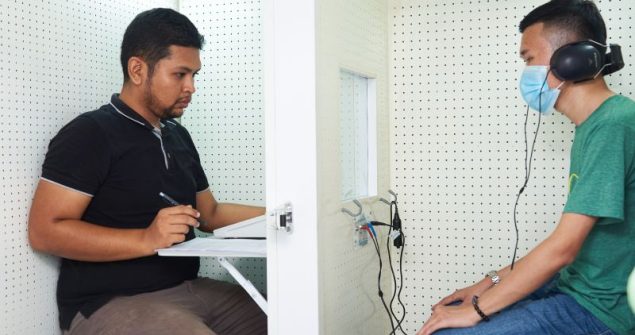
- Mobile Audiometric Testing (for occupational noise exposure)
Other Testing Services You Might Be Interested In

Get In Touch
Looking to discuss your needs or get a quote from our electrical safety testing experts? Contact us today!