




causes with FTIR spectroscopy.
FOURIER TRANSFORM
INFRARED (FTIR) TESTING
FTIR testing measures how a sample absorbs infrared light to create a unique molecular fingerprint. It is widely used to identify polymers, analyze contaminants, verify additives, and investigate product failures in solids, liquids, and gases. Results are validated against reference libraries and ASTM standards (such as E1252 and E168).
THE IMPORTANCE OF FTIR TESTING
Unidentified contaminants can halt production, fail audits, and trigger costly recalls. FTIR testing pinpoints the exact material and its source, allowing manufacturers to take immediate corrective action.
We support industries from electronics and automotive to pharmaceuticals and food packaging with key applications including:
- Material Identification: Identify unknown plastics, polymers, fibers, and films.
- Contamination Analysis: Detect residues on electronics, medical devices, and packaging.
- Quality Control: Verify incoming raw materials, coatings, paints, and adhesives.
- Failure Investigation: Find the root cause of product failures and customer complaints.
- Degradation & Additives: Analyze the composition and breakdown of oils, polymers, and rubbers.
FTIR TESTING AT BIOCHEM
Biochem Laboratories has been a trusted analytical testing partner to Malaysian industry since 1977. Our ISO/IEC 17025 accredited laboratory delivers FTIR testing that helps you identify unknown materials, isolate contamination sources, and resolve failure investigations with defensible data.
With branches in Penang, Johor Bahru, and Selangor, sample receipt is fast, turnaround is competitive, and our chemists are available to walk you through the spectrum, not just send a result sheet. FTIR testing is also frequently paired with our complementary techniques such as SEM-EDX, Liquid Particle Count (LPC), and residual solvent testing for complete material investigations.
Other Testing Services You Might Be Interested In
FAQ
What is a failure analysis service?
Failure analysis service is a laboratory investigation that identifies why a product, component, or material has failed. It combines visual examination, microscopy, chemical analysis, and material testing to determine the root cause and recommend corrective action.
What is the difference between failure analysis and quality testing?
Quality testing confirms whether a product meets specification before release. Failure analysis investigates a failure that has already occurred, identifying the cause so it can be prevented in future production.
What types of samples can Biochem analyze for materials failure analysis?
Biochem accepts metals, plastics, rubbers, electronic components, printed circuit boards, coatings, packaging materials, and finished products. For non-standard samples, contact our chemists for scoping before submission.
How long does a failure analysis investigation take?
Turnaround time depends on sample condition, analytical scope, and investigation complexity. Biochem also provides priority handling and express analysis options for urgent cases, subject to laboratory scheduling and additional express service charges.
Which techniques does Biochem use for failure analysis?
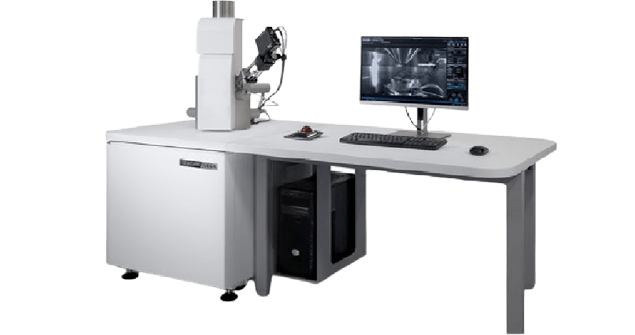
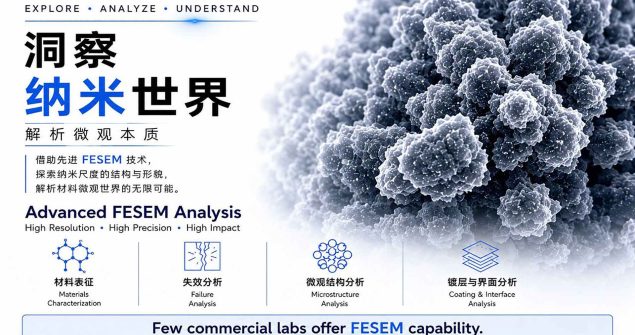
Depending on the investigation objective and sample condition, Biochem utilizes advanced analytical technologies including FESEM and FTIR to support detailed material characterisation and failure investigation.
Can Biochem provide cross-section analysis for failure investigation?
Yes. Biochem provides cross-section preparation and analytical evaluation to support detailed failure analysis and material characterisation investigations.
Cross-section analysis, also known as micro-sectioning, is a destructive analytical technique used to expose and examine the internal structure of a component beyond surface-level observation. Through precision cutting, mounting, grinding, and polishing processes, hidden defects and internal abnormalities can be evaluated in detail.
Does Biochem provide recommendations or just observations?
Both. Our reports include observed findings plus a root cause assessment and recommended corrective actions. A follow-up consultation with the lead chemist is included.
How do I request failure analysis service from Biochem?
Contact Biochem via the enquiry or quotation form, by email at info@biochem.com.my, or via WhatsApp at 012-425 9368. Kindly provide a brief description of the issue, sample type, and any relevant background information for preliminary technical evaluation. Our team will respond with the proposed analytical scope and indicative pricing.
Get In Touch
Looking to discuss your needs or get a quote from our electrical safety testing experts? Contact us today!