



Electrical & Electronics
Testing Service
Trusted Electrical Safety Testing Service
Get A Quote Request Us Today
1) RELIABILITY TEST
Evaluates the long-term performance and durability of components under various stress conditions such as temperature cycling, vibration, and power load testing. This ensures products like circuit boards and connectors maintain functionality throughout their service life.
2) HUMIDITY CHAMBER TEST
Assesses how electronic materials and assemblies perform under controlled humidity and temperature environments. This test helps detect corrosion or insulation failure in products such as sensors, switches, and plastic housings.
3) IONIC CONTAMINATION
Measures ionic residues (such as chloride, sulfate, and nitrate ions) on circuit boards and assemblies. Excessive residues can lead to corrosion or short circuits in PCBs and microelectronic components.
4) FTIR ANALYSIS
Identifies and characterizes chemical compounds in polymers, coatings, and adhesives using infrared spectroscopy. It is commonly used to confirm material composition or detect contamination in plastics, rubbers, and films.
5) HARDNESS (SHORE A AND D)
Determines the hardness level of rubber, plastics, and other non-metallic materials. For example, Shore A is used for soft materials like silicone gaskets, while Shore D is used for harder plastics such as ABS or nylon.
6) ESD SURFACE RESISTIVITY
Tests the ability of materials to dissipate static electricity. This prevents electrostatic discharge damage in sensitive components such as semiconductors, PCBs, and packaging materials.
7) SALT SPRAY TEST
Simulates corrosive environments by exposing metal samples to a salt mist chamber. It evaluates corrosion resistance in coatings, fasteners, enclosures, and electroplated components used in harsh environments.
8) VIBRATION TEST
Subjects products to controlled vibration levels to identify weaknesses in design or assembly. Commonly used for automotive parts, aerospace equipment, and electronic modules that experience mechanical stress during transport or operation.
9) CLEANROOM AIR MONITORING
Cleanroom air monitoring service measures airborne particulate and microbial levels in cleanroom environments to ensure ISO 14644 compliance. It is essential for semiconductor manufacturing, medical device production, and pharmaceutical facilities.
10) CLEANROOM COMPONENTS & CONSUMABLES ANALYSIS
Test gloves, wipes, packaging, and garments for particle generation, extractables, and ionic contamination. Ensures cleanroom materials do not introduce contaminants during production.
11) RESTRICTION OF HAZARDOUS SUBSTANCES (ROHS)
RoHS testing detects restricted elements like lead, cadmium, mercury, and hexavalent chromium in electronic products. This helps manufacturers comply with EU RoHS Directive requirements for components such as PCBs, cables, and plastic housings.
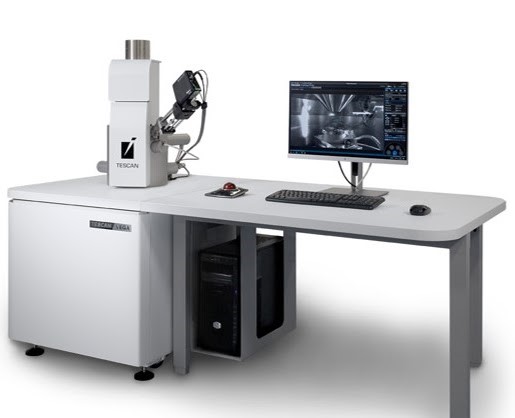
12) SEM-EDX (SCANNING ELECTRON MICROSCOPY WITH ENERGY-DISPERSIVE X-RAY ANALYSIS)
Provides high-resolution imaging and elemental analysis of material surfaces. Ideal for examining solder joints, coating defects, and contamination in microelectronic assemblies.
13) REACH SUBSTANCES OF VERY HIGH CONCERN (SVHC)
SYHC testing analyzes materials for the presence of SVHC-listed chemicals like phthalates, chromium compounds, and lead-based stabilizers. Supports compliance for plastics, coatings, and metal parts entering the EU market.
14) LIQUID PARTICLE COUNT (LPC)
LPC testing counts and classifies particles in liquids to ensure cleanliness in hydraulic fluids, coolants, and cleaning solutions. Commonly used in semiconductor, aerospace, and precision manufacturing processes where fluid purity is critical.

FAQ
What services does BIOCHEM offer for electronic & electrical safety testing?
What products can be tested at BIOCHEM?
BIOCHEM covers a wide range of electronics and electrical safety testing, including PCB board, glove, audio/visual products, ICT devices, medical electrical equipment, home appliances, and more
How do BIOCHEM ensure compliance with RoHS and other environmental regulations?
How can I submit a product for electronic & electrical safety testing?
To request electronic and electrical safety testing at BIOCHEM, please consult us to obtain detailed instructions. We will respond to your inquiries within 24 business hours.
Get In Touch
Looking to discuss your needs or get a quote from our electrical and electronics testing experts? Contact us today!