




In today’s cost-sensitive and sustainability-driven landscape, businesses are under increasing pressure to use energy more efficiently.
Whether you are in manufacturing, food production, or power generation, the quality of fuel you use directly affects your operational performance. This is where understanding calorific value becomes a critical advantage.
What is Calorific Value?
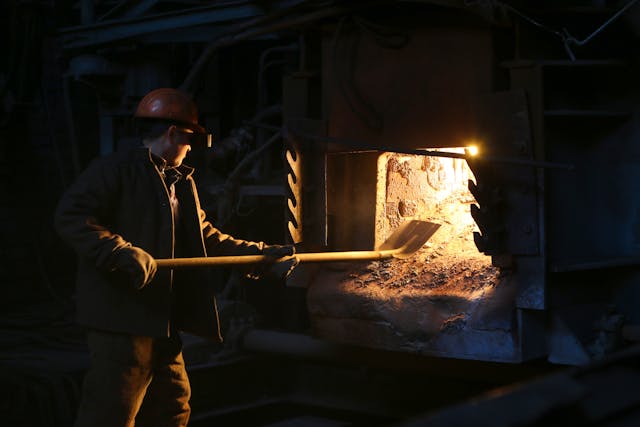
Calorific value refers to the amount of energy released when a fuel is completely burned. It is typically measured in kilojoules per kilogram (kJ/kg) or kilocalories per kilogram (kcal/kg).
In simple terms, it tells you how much “usable energy” you can get from a specific fuel.
There are two main types:
- Gross Calorific Value (GCV): Includes the total energy released, including heat from water vapour.
- Net Calorific Value (NCV): Excludes the heat lost through water vapour, making it more practical for real-world applications.
NCV is often more relevant for operational efficiency as it reflects the actual energy available for use in operations, while GCV is commonly used for fuel specification and contractual reporting.
Factors That Affect Calorific Value
Several factors can influence the calorific value of fuel, including:
- Moisture content – Higher moisture reduces the usable energy in fuels such as biomass and coal.
- Fuel composition – Variations in carbon, hydrogen, and impurities can affect energy output.
- Storage conditions – Poor storage may lead to fuel degradation or contamination.
- Fuel processing and quality control – Refining and preparation methods influence energy consistency.
Understanding these factors helps businesses manage fuel quality more effectively.
What are the Calorific Values of Different Fuels?

Different fuels produce different amounts of energy. Knowing these values helps businesses choose the most efficient and cost-effective option.
Here are some general examples:
| Fuel Type | Calorific Value | Unit |
| Coal | 15,000 – 35,000
(depending on grade) |
kJ/kg |
| Diesel | 43,000 – 46,000 | kJ/kg |
| Petrol | 42,000 – 44,000 | kJ/kg |
| Natural Gas | 35,000 – 40,000
(varies based on composition and conditions) |
kJ/m³ |
| Biomass (e.g. wood) | 15,000 – 20,000
(dry basis; significantly lower when moisture content is high) |
kJ/kg |
Higher calorific value means more energy per unit, which can lead to better efficiency and lower fuel consumption.
Fuel quality is just one part of the equation—learn more about the importance of residual solvent testing for businesses to ensure product safety and consistency.
Why Calorific Value Matters for Businesses

Understanding calorific value is not just technical knowledge—it has direct and measurable business implications across operations, cost management, and sustainability.
1. Optimising Energy Efficiency
Using fuels with higher and consistent calorific values ensures that you get maximum energy output with minimal waste.
This allows equipment such as boilers, furnaces, and generators to operate at optimal efficiency, reducing energy losses during combustion.
Over time, improved efficiency translates into higher productivity and better utilisation of resources.
2. Reducing Operational Costs
When fuel quality is inconsistent, more fuel is required to achieve the same energy output, leading to higher consumption and unpredictable expenses.
By monitoring calorific value, businesses can:
- Reduce overall fuel consumption
- Improve budgeting accuracy and cost forecasting
- Minimise losses caused by low-grade or variable fuels
This is especially important for energy-intensive industries where fuel costs make up a significant portion of operating expenses.
3. Improving Process Stability
Stable calorific value helps maintain consistent temperatures and energy input in industrial processes. This is critical for:
- Maintaining product quality and consistency
- Preventing overheating or underheating that may lead to defects
- Minimising equipment stress, wear, and unplanned downtime
Consistent fuel performance supports smoother operations and reduces the risk of production interruptions.
4. Lowering Emissions
Efficient combustion, supported by fuels with reliable calorific values, generally results in more complete burning and fewer unburnt residues. This helps reduce emissions such as carbon monoxide (CO), particulate matter, and other pollutants.
In addition to supporting environmental goals, this can also help businesses meet regulatory limits and avoid potential penalties.
5. Supporting Better Procurement Decisions
Knowing the calorific value of fuel enables businesses to make more informed purchasing decisions.
Instead of evaluating fuel based solely on price per unit or volume, companies can assess the actual energy value delivered. This allows businesses to:
- Compare suppliers on a like-for-like energy basis
- Identify low-quality or diluted fuel supplies
- Negotiate contracts based on energy content (e.g. cost per kJ or MJ)
Accredited Testing, Reliable Results
Supporting diverse industries with ISO-accredited testing and trusted analytical data since 1977.
The Role of Calorific Value Testing
Relying on supplier specifications alone is not always sufficient. Variations in fuel composition can affect actual performance.
Calorific value testing provides accurate, data-driven insights into fuel quality.
Key benefits include:
- Verification of fuel quality before use
- Improved energy planning and forecasting
- Detection of inconsistencies in fuel batches
- Enhanced operational control
Testing is typically conducted using specialised equipment such as bomb calorimeters, often in accordance with recognised standards (e.g. ASTM or ISO methods), ensuring precise and reliable results.
Efficient energy use also supports environmental compliance—explore our guide on scheduled waste handling and disposal in Malaysia.
How Calorific Value is Measured
Calorific value is measured in laboratories using specialised instruments designed to determine the energy released during fuel combustion.
The most common method is the bomb calorimeter test, which burns a fuel sample in a controlled environment and measures the heat produced.
In industrial testing, laboratories typically follow recognised standards such as:
Accurate measurement ensures businesses receive reliable data for fuel evaluation, procurement decisions, and energy planning.
Regulatory and Compliance Considerations in Malaysia
In Malaysia, energy use and emissions are subject to various regulatory frameworks. Understanding and monitoring calorific value supports compliance with these requirements.
Key considerations include:
| Authority / Initiative | Role / Description |
| Department of Environment (DOE) | Regulates air emissions under the Environmental Quality Act 1974; promotes efficient fuel use to reduce pollutants |
| Energy Commission (Suruhanjaya Tenaga) | Oversees electricity and gas supply regulation, as well as energy efficiency initiatives in industrial and utility sectors |
| MS Standards (Department of Standards Malaysia) | Provides guidelines for fuel quality and testing methods to ensure consistency and safety |
| Green Technology & ESG Initiatives | Encourages businesses to improve energy efficiency and reduce carbon intensity |
By incorporating calorific value testing into operations, companies can:
- Support regulatory compliance
- Reduce environmental impact
- Strengthen ESG reporting
Making Smarter Energy Decisions
Calorific value is more than a scientific measurement. It is a practical tool that helps businesses make smarter energy decisions.
By understanding what calorific value is and evaluating the calorific value of fuels, companies can:
- Maximise energy output
- Reduce waste and inefficiencies
- Lower operational costs
- Maintain compliance with Malaysian regulations
In an environment where margins and sustainability matter more than ever, investing in calorific value testing is a strategic step towards long-term operational excellence.
Biochem Laboratories offers professional calorific value testing and fuel quality analysis, providing accurate, reliable data to optimise energy use, reduce costs, and support your sustainability goals.
Take your next step and contact us today to learn how we can help your business make smarter energy decisions.
FAQs
1. How often should calorific value testing be conducted?
The frequency depends on fuel usage and variability. For consistent fuels like natural gas, periodic checks may be sufficient, while solid fuels such as coal or biomass should be tested more frequently—especially when sourcing from different suppliers or batches.
2. Can calorific value impact equipment lifespan?
Yes. Fuels with inconsistent or low calorific value can cause unstable combustion, leading to temperature fluctuations that increase wear and tear on equipment such as boilers and furnaces, potentially shortening their lifespan.
3. Is higher calorific value always better for every application?
Not necessarily. While higher calorific value means more energy per unit, the ideal fuel also depends on equipment design, combustion system, and operational requirements. Using overly high-energy fuels in unsuitable systems may reduce efficiency or require adjustments.
4. How does storage affect the calorific value of fuel?
Improper storage can reduce fuel quality. For example, exposure to moisture can significantly lower the effective calorific value of coal and biomass, while contamination can affect liquid fuels. Proper storage conditions help maintain energy content and consistency.
5. Can calorific value be used for benchmarking energy performance?
Yes. Businesses can use calorific value data to benchmark energy efficiency across different sites, processes, or time periods, helping identify inefficiencies and track improvements in energy management.
Get In Touch With Us And Get A Quote
Drop us a line for more service details and pricing information.