



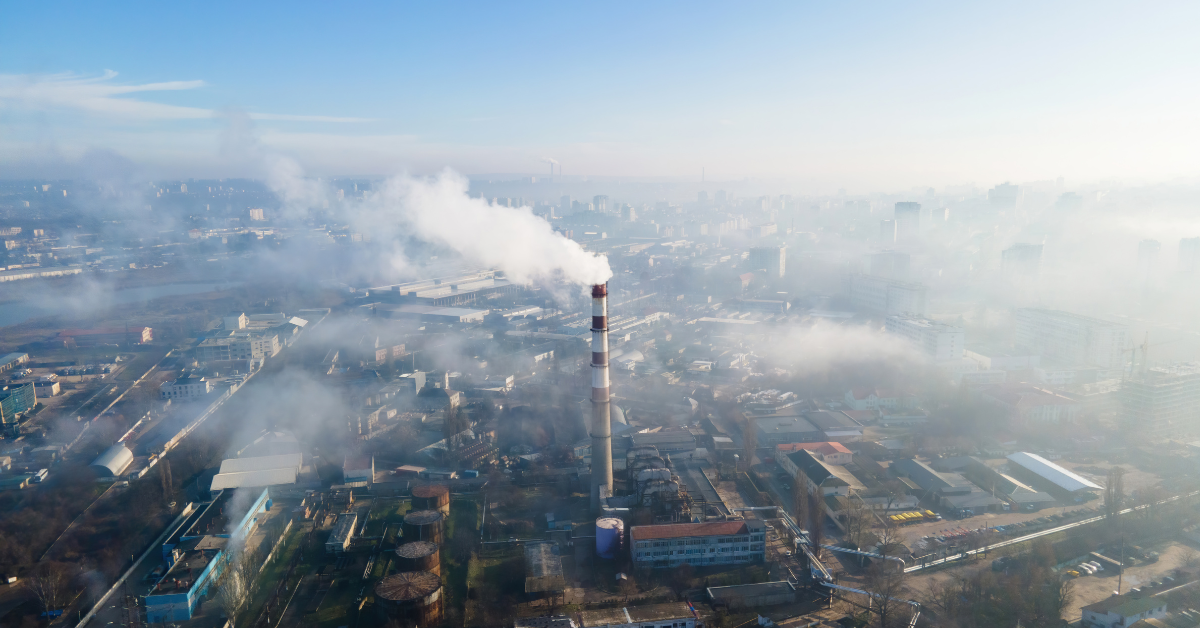
Have you ever wondered why fresh paint triggers headaches, or why manufacturing facilities must closely monitor air quality?
The answer often lies in volatile organic compounds (VOCs), chemicals present in both our homes and workplaces. While VOCs are commonly discussed in household settings, their impact becomes far more significant when released in high volumes from industrial operations.
For Malaysian businesses, understanding VOCs is not just about compliance. It is about protecting your workforce, avoiding costly shutdowns, and maintaining your license to operate. From large-scale factories to small offices, VOC exposure creates real risks that demand attention.
This article explains what VOCs are, where they come from, and why they matter to your business, along with practical steps to manage them effectively.
Understanding VOCs
 Freepik
What Are Volatile Organic Compounds (VOCs)?
Volatile Organic Compounds (VOCs) are chemicals that easily evaporate at room temperature, releasing vapors into the air. Think of how water evaporates from a puddle. VOCs behave similarly, but with potentially harmful effects.
The term “volatile” refers to how quickly these chemicals evaporate, while “organic” simply means they contain carbon atoms. These compounds are released from everyday products and industrial processes, creating invisible exposure risks in workplaces across Malaysia.
VOCs across Different Settings
While VOC risks increase in industrial environments, these compounds appear in various settings:
- Household
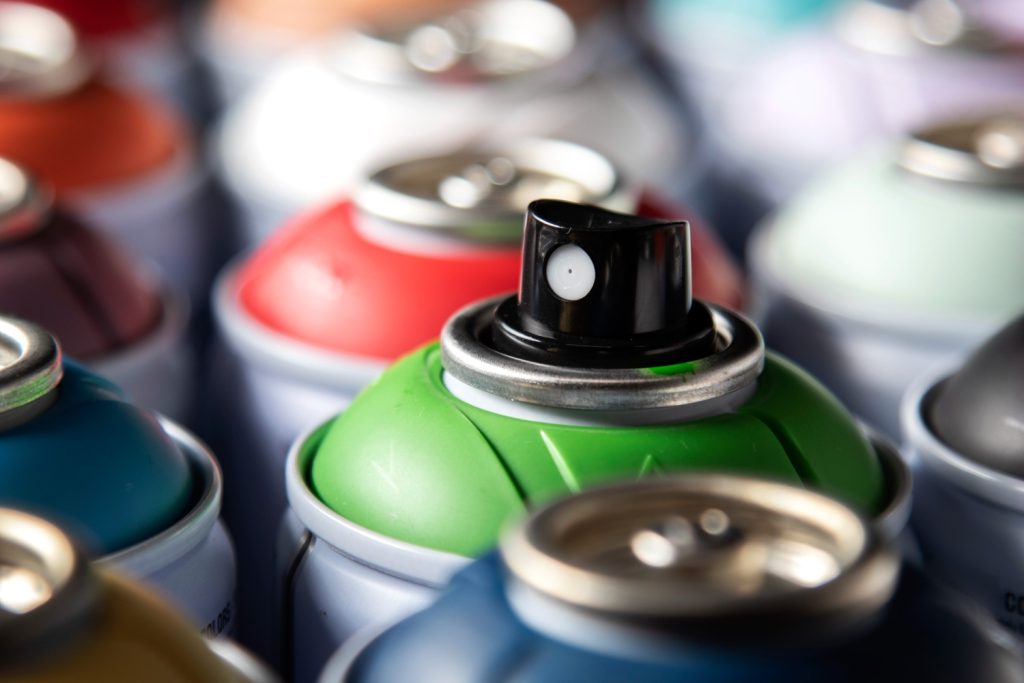
Air fresheners and aerosol sprays, candles, and cosmetics
- Commercial (such as healthcare, offices, and retail)
Disinfectants, sterilisation chemicals, printer inks, and fixtures
- Industrial
The scale and concentration change drastically. Where households use grams, industrial facilities use litres or drums of VOC-containing materials.
The table below highlights common VOC sources across selected industries:
Common Volatile Organic Compounds
| Industries | VOC Sources | Common Compounds |
| Manufacturing | Solvents, degreasers, resins, adhesives | Toluene, xylene, MEK, acetone |
| Coating and Surface Finishing | Inks, paints, spray applications | Ethyl acetate, isopropanol, glycol ethers |
| Laboratories | Analytical solvents, reagents | Benzene, chloroform, methylene chloride |
| Petrochemical and Refining | Fuel processing, storage, loading operations | Benzene, ethylbenzene, styrene |
What Causes Volatile Organic Compounds (VOCs)?
VOCs are released wherever chemicals and materials are used, stored, or processed. These emissions generally occur through several methods:
- Off-gassing
Products slowly release VOC gases over time, often contributing to the familiar “new product” smell. This commonly occurs in commercial and office environments through emissions from furniture, solvents, flooring materials, and disinfecting agents.
While initial concentrations seem low, poor ventilation allows VOCs to accumulate to concerning levels.
- Fugitive or Evaporative Emissions
VOCs escape from equipment, storage systems, or transfer points during normal operations. This occurs in industrial settings through leaks in valves, flanges, tanks, and fuel-handling systems.
Although individual leaks may seem minor, continuous releases can accumulate over time, especially in facilities handling solvents, fuels, resins, or high-volatility chemicals, such as plastics manufacturing or oil & gas.
- Operational Emissions
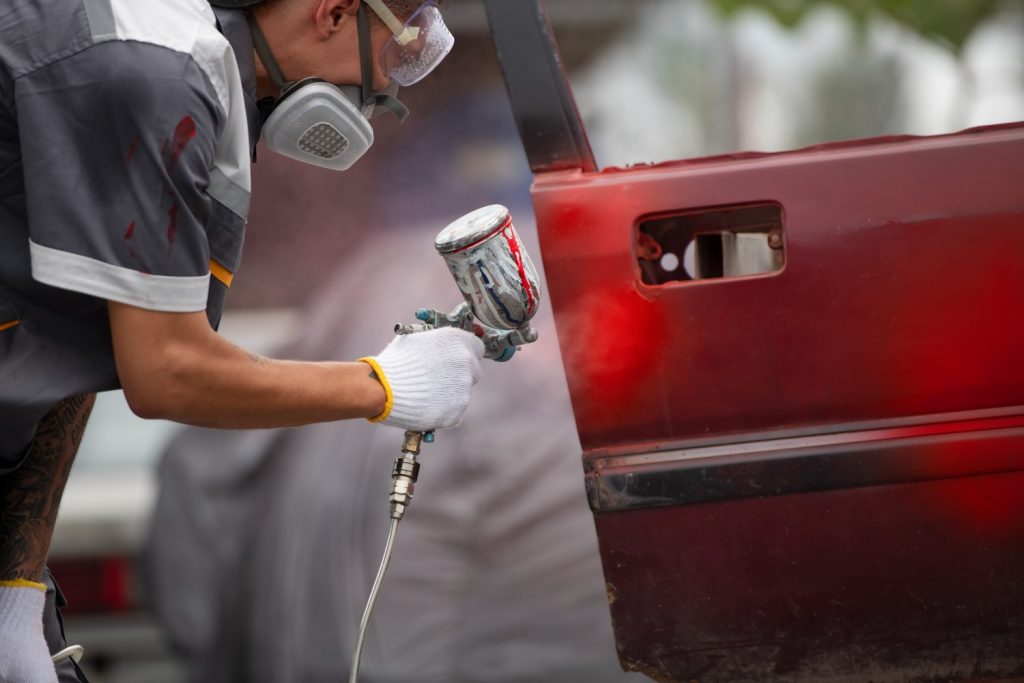
VOCs are released directly as part of routine industrial or commercial processes. Typical sources include painting and coating operations, solvent-based cleaning, adhesive application, soldering, and chemical blending.
Emissions are often highest during active use, curing, or heating stages, and may increase when multiple processes operate simultaneously or when ventilation is insufficient. Sectors such as automotive manufacturing and surface coating operations are particularly affected.
- Environmental and Vapour Intrusion Sources
Vehicle emissions, industrial exhaust, and landfills contribute to background outdoor VOC levels. In addition, contaminated soil or groundwater can release vapours that migrate into buildings, creating indoor exposure risks.
These environmental sources are often overlooked but can result in persistent VOC exposure, especially for facilities located near industrial zones or redevelopment sites.
Environmental monitoring plays a critical role in identifying and managing these risks for Malaysian businesses. Learn more about its importance in our comprehensive article.
Why Workplaces Face Higher VOC Exposure
 Freepik
VOC risks are significantly higher in industrial and commercial sectors compared to residential environments for several reasons:
- Volume and Concentration: Workplaces use VOC-containing materials in much larger quantities. Industrial facilities may use litres or drums of solvents, whereas household use is measured in grams or millilitres.
- Duration of Exposure: Employees may experience continuous exposure during 8 to 12-hour work shifts, unlike the short or occasional exposure typically encountered in residential settings.
- Compound Toxicity: Industrial VOCs often include more hazardous substances, with higher concentrations of compounds such as toluene, xylene, and benzene..
- Regulatory Standards: Occupational exposure limits are deliberately stricter due to the prolonged exposure durations and the cumulative health risks workers face.
These factors explain why industrial VOC management demands stricter controls than household VOCs, due to higher concentrations, larger volumes, and significantly greater risk.
Why VOCs Matter
VOCs exposure is harmful across several areas, including employee health, environmental quality, and legal or regulatory obligations.
1. Occupational Health Risks
Workers face significantly higher exposure risks than the general population due to higher concentrations, longer durations, and more toxic compounds.
Acute Effects
- Eye, nose, and throat irritation
- Headaches, dizziness, and concentration difficulties
- Nausea and coordination impairment (safety risk with machinery)
- Respiratory symptoms and skin irritation
Chronic Effects
- Respiratory diseases such as asthma
- Liver and kidney damage
- Central nervous system impairment
- Cancer risk: Benzene (leukemia), formaldehyde (nasopharyngeal cancer), vinyl chloride (liver cancer)
Beyond individual health, VOC exposure drives increased sick leave, compensation claims, reduced productivity, and legal liability for employers failing to protect their workforce.
2. Environmental & Community Impacts
VOCs also affect the environment and surrounding communities:
- Ground-level Ozone Formation
VOCs react with nitrogen oxides under sunlight to create smog, a major air quality concern in Malaysia’s sunny, tropical climate.
- Water Contamination
VOCs entering water systems can harm aquatic life and compromise drinking water supplies.
- Sick Building Syndrome (SBS) in workplaces
Poorly ventilated offices or commercial buildings can accumulate VOCs, causing widespread discomfort, headaches, and reduced productivity among occupants.
- Corporate Responsibility
Industrial VOC emissions face scrutiny from communities, environmental groups, and ESG-focused investors. Poor management can cause reputational damage beyond regulatory penalties.
In industrial-active states, cumulative VOC emissions contribute to regional air quality challenges affecting both workers and residents.
3. Regulatory, Legal & Financial Consequences
Regulatory Exposure
Industrial VOC emissions are subject to strict regulatory oversight in Malaysia, including:
- Enforcement of DOSH Permissible Exposure Limits (PELs)
- Compliance with the DOE Environmental Quality Act 1974
- Mandatory reporting requirements for emissions and monitoring
- Industry-specific licensing and operational conditions
Financial Consequences
- Direct fines ranging from RM50,000 to over RM500,000 for serious violations
- Operational shutdowns during remediation cause lost revenue
- Increased insurance premiums due to elevated risk profiles
- Remediation costs for soil and groundwater contamination, ranging from RM500,000 to over RM5 million
- Legal liability from worker lawsuits and community claims
Business Continuity Risks
VOC-related violations can also threaten long-term business operations:
- License revocation, halting production or services
- Supply chain disruptions where clients require proof of compliance
- Challenges securing financing or investment due to ESG risk assessments and reputational concerns
Mitigate risks to your operations, employees, and environment with VOC testing performed by accredited professionals like Biochem Laboratories:
Analytical Excellence Since 1977
Trusted by industry leaders for precise, compliant, and high-quality analytical results.
VOCs as Multi-Media Contaminants: Air, Water, and Soil
 Freepik
Unlike many pollutants, VOCs simultaneously contaminate air, water, and soil and migrate among these media.
How VOCs Contaminate Water
VOCs readily dissolve in water, and once groundwater is contaminated, pollution can persist for decades and travel far from the source.
Contamination Sources
- Direct discharge from manufacturing processes
- Leaking underground storage tanks
- Surface spills reaching storm drains or soil
- Improper waste disposal
- Accidental releases during chemical transfer
Why it matters: VOCs travel kilometers through groundwater, affecting drinking water sources and requiring expensive long-term treatment. Contamination triggers regulatory investigation and remediation orders. Learn how water testing supports early detection and risk management in our informative article.
How VOCs Contaminate Soil
VOCs can accumulate in soil through spills, leaks, or improper chemical disposal, creating long-term contamination that may persist for decades. Contaminated soil is concerning because it can act as a source for both groundwater contamination and vapour intrusion into buildings.
Contamination Sources
- Spills or leaks from chemical storage containers or pipelines
- Improper disposal of industrial waste and solvents
- Runoff from manufacturing or surface operations
- Residual contamination from former industrial sites
Why it matters: Soil contamination can lead to VOC migration into groundwater or to the release of vapours into indoor spaces. Cleanup and remediation can be costly, often requiring excavation or specialized soil treatment, and may trigger regulatory enforcement under the DOE Environmental Quality Act 1974.
Vapour Intrusion: The Hidden Risk
Sites with no current VOC use may have indoor air issues if located on former industrial properties. VOCs in contaminated soil/groundwater vaporize and migrate upward, entering buildings through foundation cracks and creating chronic exposure without obvious sources.
High-risk locations: Former industrial sites, properties near gas stations or dry cleaners, areas with historical waste disposal.
Business impact: Discovered during property transactions, vapour intrusion halts sales, reduces property values, and triggers mandatory remediation that can cost millions.
Why VOC Testing & Monitoring is Important
Proactive VOC monitoring is strategic risk management, not just compliance: it protects employees, prevents costly incidents, and ensures operational continuity.
Why Testing Is Essential
- Protect Your Workforce
Early detection prevents chronic conditions, reduces compensation costs, and demonstrates duty of care. Companies with proactive monitoring report fewer health complaints and better retention.
- Maintain License to Operate
DOSH and DOE conduct unannounced inspections and expect current testing documentation. Pre-emptive testing allows correction before violations. Permit suspension can halt operations for weeks or months.
Comprehensive environmental monitoring programs track VOC levels alongside other parameters, providing integrated data to support better decision-making.
- Manage Environmental Liability
Early leak detection prevents contamination. Remediation costs increase dramatically; an RM10,000 soil cleanup becomes RM2 million if undetected for a year. Environmental liability outlasts ownership.
- Enable Data-Driven Decisions
Testing identifies which sources need controls, measures control effectiveness, and reveals degrading equipment before failures.
Who Needs VOC Testing?
If any of the checkboxes below apply to your business, schedule a VOC testing analysis with an expert laboratory facility:
- Use or storage of solvents, paints, adhesives, or degreasers
- Spray painting, coating, surface treatment
- Chemical manufacturing/formulation
- Fuel storage tanks
- Persistent chemical odor
- Employee complaints (headaches, irritation)
- Recent process changes
- Buildings on former industrial sites
- Property acquisition due diligence
- Annual compliance requirements
VOC Testing Methods: Choosing the Right Approach
Volatile organic compound testing methods depend on your objectives:
| Method | Best For | When to Use |
| Real-time monitors | Continuous tracking | High-risk areas, confined spaces, and ongoing exposure monitoring |
| Lab air sampling | Compliance testing | Annual compliance, incident investigation, or baseline assessments |
| Water sampling | Environmental compliance | Fuel storage sites, chemical facilities, or property due diligence |
| Soil testing | Site assessment | Property transactions, spill investigations, or site closures |
VOC Management Hierarchy
Effective management combines engineering controls, work practices, material substitution, and monitoring in accordance with the hierarchy of controls.
- Elimination/Substitution (Most Effective)
Replace VOC-containing materials with water-based or bio-based alternatives. While 10-20% more expensive upfront, reduced ventilation and PPE costs typically deliver ROI within one year. - Engineering Controls
Enclosed spray booths, local exhaust ventilation, increased air exchange (20-30 changes/hour), and activated carbon filtration. Malaysian facilities should consider demand-controlled ventilation with VOC sensors. - Administrative Controls
Schedule high-emission work during off-shifts, implement chemical tracking systems, establish proper storage protocols, and provide comprehensive training. - PPE (Last Resort)
Organic vapor respirators and chemical-resistant gloves are required only when other controls prove insufficient.
Proactive VOC management often requires constant monitoring of multiple parameters. BioChem Laboratories’ chemical analysis services use advanced instrumentation to accurately quantify VOC concentrations, ensuring regulatory compliance and informed decision-making:
Accredited Testing, Reliable Results
Supporting diverse industries with ISO-accredited testing and trusted analytical data since 1977.
Reliable VOC Testing Solutions for Your Industry

Volatile organic compounds (VOCs) can impact your daily operations, employee well-being, and the surrounding environment. For Malaysian businesses, VOC emission testing is becoming increasingly important as regulations tighten and sustainability expectations rise. Proactive and consistent VOC management helps reduce risks, support safer workplaces, and demonstrate responsible environmental practices.
As an ISO/IEC 17025 SAMM-accredited laboratory and with 40 years of expertise in providing reliable VOC emissions testing, BioChem Laboratories delivers accurate, compliant testing solutions across multiple industries, helping businesses meet regulatory requirements, enhance operational performance, and protect environmental quality.
Our Environmental Monitoring and Chemical Analysis Services include:
- VOC Testing
- Ambient Air Monitoring
- Stack Emission Monitoring
Safeguard your operations, workforce, and environment with reliable air quality and emissions testing. Consult our Biochem Laboratories’ experts for trusted, compliant testing solutions.
FAQs
1. What is the difference between indoor air quality (IAQ) testing and VOC testing?
IAQ testing measures multiple parameters (such as particulate matter, CO2, humidity, temperature, and VOCs). VOC testing specifically identifies and quantifies individual volatile organic compounds.
Use IAQ testing for general air quality concerns. Use VOC testing when handling chemicals or when you need compliance documentation with specific compound identification.
2. How often should businesses conduct VOC testing?
Testing frequency depends on your industry, processes, and regulatory requirements. At a minimum, annual compliance testing is recommended for most facilities. High-risk operations (such as chemical manufacturing, coating operations, and fuel storage) should conduct quarterly testing or install continuous monitoring systems.
Additionally, test whenever you introduce new chemicals, modify processes, receive employee complaints, or plan facility expansions or property transactions.
3. What if VOC levels exceed regulatory limits?
Several measures need to be taken within a specific timeline:
- Within 24 to 48 hours: Notify workers, increase ventilation, identify and isolate sources, provide PPE, and document the situation.
- Within 1 to 2 weeks: Engage EHS consultants for investigation, develop a corrective action plan (engineering controls, process modifications, material substitution), update procedures, and report to DOSH if required.
- Within 1 to 3 months: Implement corrective measures, conduct verification testing, update training, establish ongoing monitoring.
Do not delay action, as these steps are crucial. Regulatory agencies expect prompt remediation, and continued exposure increases health risks and liability.
4. Can low-VOC products eliminate workplace exposure?
While low-VOC alternatives significantly reduce emissions, they rarely eliminate exposure. Many “low-VOC” products still contain some volatile compounds, just at reduced concentrations.
Complete elimination requires a comprehensive approach that combines material substitution, engineering controls (such as ventilation and containment), administrative measures (work scheduling and training), and ongoing monitoring to verify effectiveness. The goal is to reduce exposure to levels well below regulatory limits rather than achieve zero emissions.
5. What are the first signs that a facility has a VOC problem?
Common early warning signs include persistent chemical odors (even faint ones), employee complaints of headaches or dizziness, increased respiratory irritation, eye or throat discomfort, difficulty concentrating, and unexplained staff fatigue.
Physical indicators include visible vapor clouds during operations, condensation on cold surfaces, deteriorating indoor finishes, and corroded ventilation systems. If you notice these signs, conduct immediate testing rather than waiting for scheduled assessments, as early detection prevents serious health issues and regulatory violations.
Get In Touch With Us And Get A Quote
Drop us a line for more service details and pricing information.