
In modern manufacturing, product safety and regulatory compliance are no longer optional—they are essential responsibilities.
Across industries such as pharmaceuticals, cosmetics, food processing, and chemical manufacturing, solvents are frequently used during production to dissolve, extract, purify, or synthesise materials.
However, traces of these solvents may remain in the final product if not properly removed. This is where residual solvent testing becomes crucial.
By identifying and quantifying solvent residues left behind after production, businesses can ensure their products meet safety standards, protect consumer health, and comply with regulatory requirements.
Understanding the importance of residual solvent testing, the methods used to detect solvent traces, and the relevant compliance standards in Malaysia can help organisations maintain product quality and protect their brand reputation.
What Is Residual Solvent Testing For?

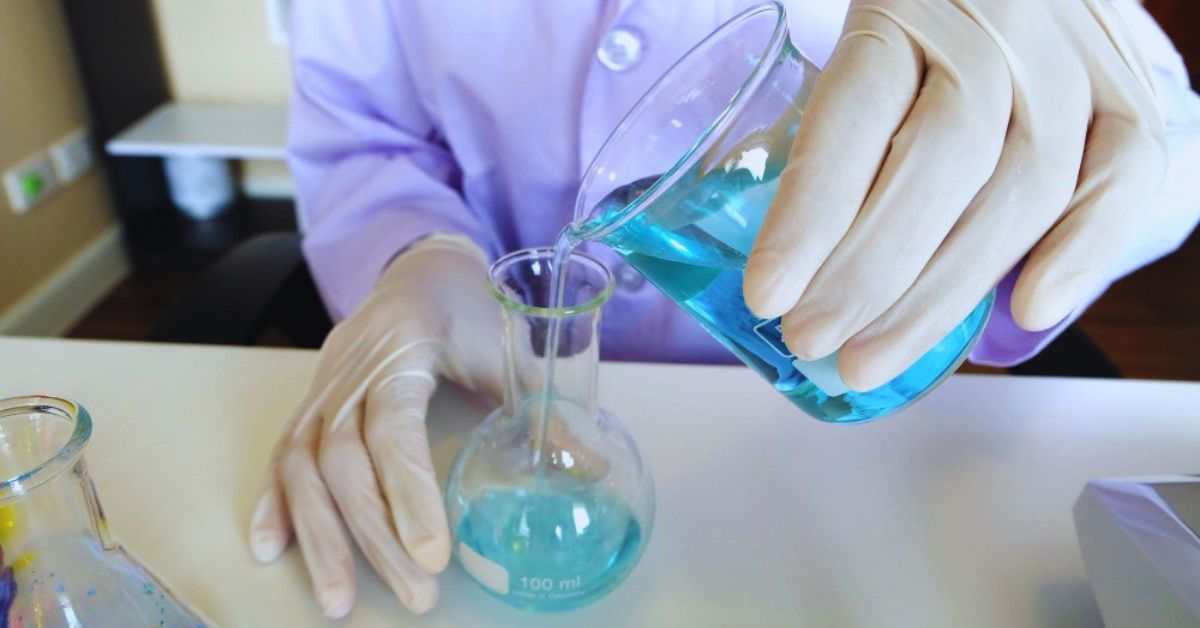
Residual solvent testing is an analytical process used to detect and measure trace amounts of solvents that remain in a product after manufacturing. Solvents are commonly used in industrial processes for extraction, purification, crystallisation, or cleaning equipment.
Despite their usefulness during production, many solvents can be harmful if present above acceptable limits in the final product.
Residual solvent testing ensures that any remaining solvents are within safe levels defined by regulatory authorities.
This testing is particularly important in industries such as:
- Pharmaceuticals – where solvents are used in drug synthesis and purification
- Cosmetics and personal care products – where extraction solvents may remain in ingredients
- Food and beverage production – especially in flavour extraction processes
- Nutraceuticals and herbal supplements
- Chemical and manufacturing sectors
By conducting proper testing, businesses can verify that solvent residues do not pose risks to consumers.
The Importance of Residual Solvent Testing

Residual solvent testing plays a vital role in maintaining product safety and regulatory compliance. Without proper testing, businesses may unknowingly release products containing unsafe levels of chemical residues.
1. Protecting Consumer Health
Some solvents can cause adverse health effects when consumed or absorbed by the body. Depending on the type of solvent and level of exposure, potential risks may include:
- Respiratory irritation
- Neurological effects
- Liver or kidney toxicity
- Long-term carcinogenic risks
Residual solvent testing helps ensure that any solvent residues are present only in amounts considered safe for human exposure.
2. Ensuring Product Quality and Consistency
Excess solvents can compromise product stability, taste, smell, or performance. For example:
- Pharmaceutical products may lose efficacy or stability
- Food products may develop undesirable flavours
- Cosmetic products may irritate the skin
Routine testing allows manufacturers to maintain consistent product quality across production batches.
3. Meeting Regulatory Requirements
Regulatory authorities impose limits on residual solvent levels to ensure products are safe for consumers.
In Malaysia, regulatory oversight by bodies such as the National Pharmaceutical Regulatory Agency (NPRA) aligns with internationally recognised guidelines like ICH Q3C for residual solvents.
These guidelines define acceptable solvent limits based on toxicity and exposure risks.
Conducting residual solvent testing allows businesses to confirm that their products meet regulatory standards and provides documented evidence for product registration, regulatory submissions, and quality audits.
4. Protecting Brand Reputation
Product safety plays a crucial role in maintaining consumer trust and brand credibility.
If excessive solvent residues are discovered after products have entered the market, the consequences can extend beyond regulatory issues and significantly affect a company’s public image.
Potential risks include:
- Negative publicity that damages brand perception
- Costly product recalls and operational disruptions
- Loss of customer trust and market confidence
- Strained relationships with distributors or business partners
By implementing proper testing protocols, businesses demonstrate their commitment to responsible manufacturing and consumer protection.
Accredited Testing, Reliable Results
Supporting diverse industries with ISO-accredited testing and trusted analytical data since 1977.
Residual Solvent Testing Methods

Various analytical techniques are used to detect and quantify solvent residues. The most widely used residual solvent testing method is Gas Chromatography (GC).
Gas Chromatography (GC)
Gas chromatography is the industry standard for analysing volatile organic compounds (VOCs) such as solvents. The technique separates solvent compounds based on their chemical properties, allowing accurate identification and quantification.
When combined with advanced detectors such as Flame Ionisation Detection (FID) or Mass Spectrometry (MS), GC provides highly precise results even at very low concentration levels.
Common testing approaches include:
- Headspace Gas Chromatography (HS-GC) – ideal for detecting volatile solvents without direct sample contamination
- GC-FID – widely used for routine quantitative analysis
- GC-MS – provides enhanced compound identification
These methods allow laboratories to accurately determine whether solvent levels comply with regulatory limits.
Regulatory and Compliance Standards in Malaysia
Businesses operating in Malaysia must ensure that their products comply with both local regulations and internationally recognised safety standards.
Several regulatory frameworks influence solvent residue limits and testing practices.
Malaysian Pharmaceutical and Health Regulations
For pharmaceutical products, manufacturers must comply with guidelines established by the National Pharmaceutical Regulatory Agency (NPRA) under the Ministry of Health Malaysia. These guidelines are aligned with international standards such as the International Council for Harmonisation (ICH) guidelines.
The widely adopted ICH Q3C guideline classifies solvents into three categories:
- Class 1 solvents – solvents to be avoided due to significant toxicity
- Class 2 solvents – solvents with limited permissible exposure
- Class 3 solvents – solvents with relatively low toxic potential
Each class has defined limits that manufacturers must adhere to.
Food Safety Regulations
Food manufacturers must comply with requirements set by the Food Act 1983 and Food Regulations 1985, overseen by the Ministry of Health Malaysia. These regulations aim to ensure that food products do not contain harmful chemical residues that could endanger public health.
Testing may also align with international food safety frameworks such as Codex Alimentarius where applicable.
Cosmetic Regulations
Cosmetic products distributed in Malaysia must comply with the ASEAN Cosmetic Directive (ACD), which includes requirements related to ingredient safety and potential contaminants.
Manufacturers must ensure that any solvent residues present in cosmetic ingredients are within safe and acceptable limits.
Why Businesses Should Partner with a Reliable Testing Laboratory
Accurate testing requires specialised equipment, validated analytical methods, and experienced laboratory professionals. Working with an accredited testing laboratory ensures reliable and defensible results.
A trusted laboratory partner can help businesses:
- Conduct accurate residual solvent testing
- Ensure compliance with Malaysian and international standards
- Identify potential contamination risks early
- Maintain product safety and quality
With the right testing partner, organisations can confidently demonstrate that their products meet regulatory requirements and safety expectations.
Ensure Product Safety with BioChem Residual Solvent Testing
Reliable analytical testing is essential for safeguarding product quality and protecting consumer health.
BioChem provides professional Residual Solvent Testing services using advanced analytical instrumentation and validated methodologies to deliver precise and reliable results.
Our laboratory supports businesses across multiple industries in verifying compliance with regulatory standards and ensuring their products meet stringent safety requirements.
Whether you are a pharmaceutical manufacturer, food producer, or cosmetics brand, our testing services help you maintain product integrity and regulatory confidence.
FAQs
1. Which industries require residual solvent testing?
Residual solvent testing is commonly required in pharmaceuticals, cosmetics, food and beverage production, nutraceuticals, herbal products, and chemical manufacturing. Any industry that uses solvents during production may require testing to ensure safe residue levels.
2. How often should residual solvent testing be conducted?
Testing frequency depends on regulatory requirements, production processes, and quality control protocols. Many manufacturers perform testing during product development, validation stages, and routine batch quality checks.
3. What types of solvents are typically tested?
Common solvents tested include methanol, ethanol, acetone, hexane, toluene, and dichloromethane. Laboratories can detect a wide range of volatile organic solvents depending on the testing method used.
4. What happens if residual solvent levels exceed regulatory limits?
If solvent levels exceed permissible limits, the affected batch may need to be rejected, reprocessed, or investigated to identify the source of contamination. Regulatory authorities may also require corrective actions.
5. Can residual solvent testing help with product certification?
Yes. Residual solvent testing supports product certification, regulatory submissions, and compliance documentation by providing verified analytical data on solvent residues.
6. Is residual solvent testing only required for finished products?
No. Testing may also be conducted on raw materials, intermediates, and final products to ensure solvent residues are controlled throughout the manufacturing process.
7. How long does residual solvent testing typically take?
Turnaround time varies depending on the sample type, analytical method, and laboratory workload. Many accredited laboratories can provide results within a few working days.
Get In Touch With Us And Get A Quote
Drop us a line for more service details and pricing information.