


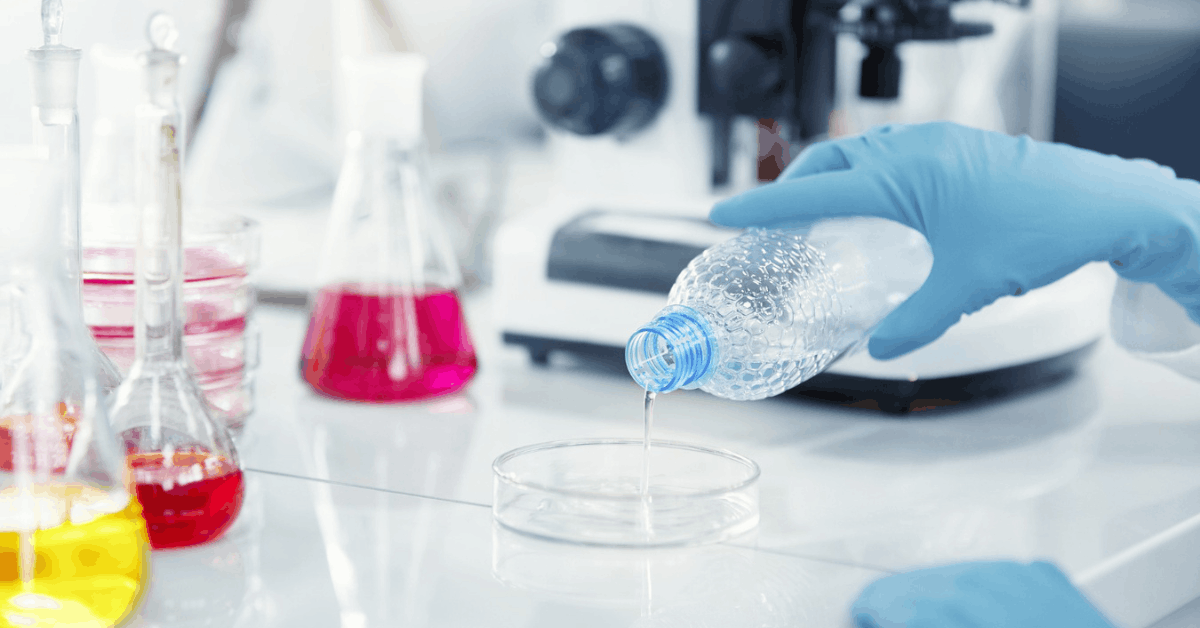
When a consumer purchases a product they trust to be pure and safe, they are rarely aware of the invisible substances that remain hidden behind even the cleanest labels.
High-quality manufacturing across many industries relies heavily on solvents. Solvents play a critical role in producing pharmaceuticals, food and beverages, and cosmetic products, from extracting active ingredients to improving texture, stability, or fragrance.
While these chemicals are intended to be removed once their function is complete, they do not always disappear entirely. Residual solvents are often measured in mere parts per million (ppm), yet their presence is far from insignificant.
These hidden residues represent a critical intersection of consumer health, chemical stability, and stringent regulatory oversight. If left unchecked, they can pose serious health risks, erode consumer trust, damage brand reputation, and result in strict legal penalties under Malaysian regulations.
This guide explores the common residual solvents in products across the pharmaceutical, F&B, and cosmetic sectors, why they matter, and how accredited testing serves as a critical safeguard for both businesses and consumers.
What Are Residual Solvents?
Residual Solvents are organic volatile chemicals used or produced in the manufacture of drug substances, excipients, or the formulation of consumer products, particularly in chemical synthesis, extraction, or purification processes.
Solvents help dissolve substances, separate components, or facilitate chemical reactions. While they are not intended to be part of the final product, their chemical properties can make them difficult to remove completely without affecting the product’s integrity.
Small amounts of these solvents can remain trapped within solid matrices, viscous liquids, or complex formulations. The traces that persist in substances or finished products after manufacturing are known as residual solvents.
Since residual solvents do not contribute to a product’s therapeutic, nutritional, or cosmetic function, their presence is tightly regulated.
Classification of Residual Solvents
To manage risks, the pharmaceutical and chemical industries follow the International Council for Harmonisation (ICH) Q3C guidelines, which are also adopted by Malaysia’s National Pharmaceutical Regulatory Agency (NPRA).
Solvents are categorised into three classes based on their potential toxicity to human health:
| Class | Risk Level | Description | Examples |
| Class 1 | Avoid | These are known or strongly suspected human carcinogens and environmental hazards. Their use is strictly prohibited unless strongly justified. | Benzene, Carbon Tetrachloride |
| Class 2 | Limit | These are non-genotoxic animal carcinogens or agents causing reversible toxicity. These are subject to strict Permitted Daily Exposure (PDE) limits. | Methanol, Hexane, Acetonitrile, Toluene |
| Class 3 | Low Risk | These solvents have no health-based exposure limit for daily intakes of 50 mg or less. They are considered the safest options when a solvent is required. | Ethanol, Acetone, Ethyl Acetate |
Common Residual Solvents in Products
While the term residual solvent is most often associated with pharmaceuticals, these chemicals are pervasive across multiple sectors.
Pharmaceuticals: API & Finished Products
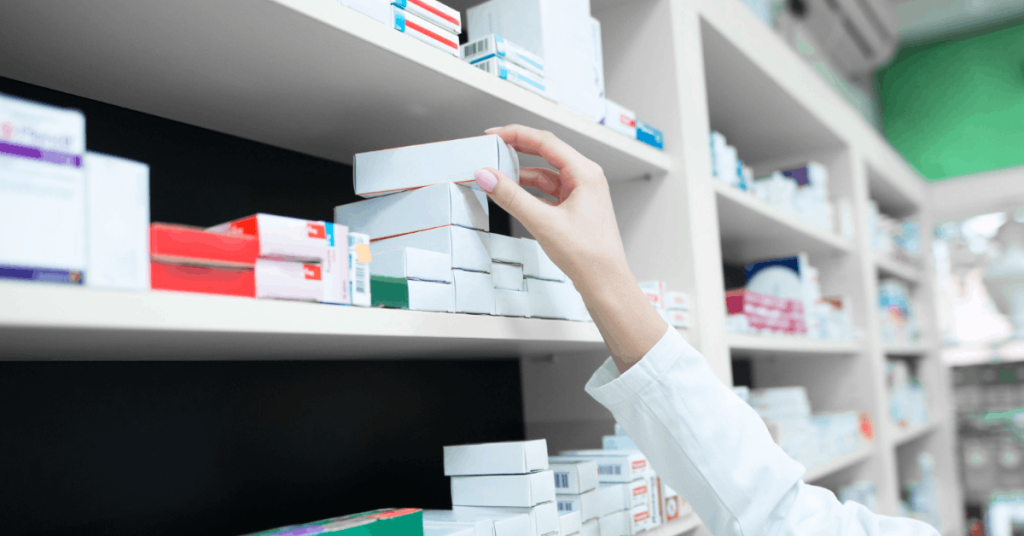
In the pharmaceutical industry, solvents function as more than just cleaning agents. They are integral to the reaction, crystallisation, and purification of Active Pharmaceutical Ingredients (APIs). During chemical synthesis, solvents help dissolve reactants, control reaction temperature, and improve yield.
While the alcohol segment, such as Isopropyl Alcohol (IPA), dominates the market with approximately 38% of total use, a wide variety of other chemical classes are equally essential for complex synthesis.
However, depending on the drying process and the compound’s chemical structure, trace amounts of these volatile compounds may remain in both the API and the finished product. Common residual solvents found in pharmaceutical manufacturing include:
| Solvent | Primary Industry Use | ICH Class |
| Methanol | Synthesis & Purification: Widely used as a reaction medium due to its ability to dissolve a broad range of organic compounds. | Class 2 (Limit) |
| Acetone | Crystallisation & Coating: Frequently used during crystallisation and tablet coating due to its rapid evaporation and relatively low toxic potential, ensuring a smooth, protective finish. | Class 3 (Low Risk) |
| Acetonitrile | Analytical Processes: Commonly used in purification and analytical testing because of its polarity and low UV absorption properties. | Class 2 (Limit) |
| Dichloromethane (DCM) | Extraction: Known for its high volatility and strong solvency, making it effective in liquid-liquid extraction and impurity removal. | Class 2 (Limit) |
| Isopropyl Alcohol (IPA) | Sanitisation: Often used for equipment cleaning and sanitisation. Traces can sometimes migrate into the final product line if not properly purged. | Class 3 (Low Risk) |
Note: Solvents account for an estimated 80-90% of the non-aqueous mass in waste streams and nearly 75-80% of the total environmental impact of pharmaceutical manufacturing.
This high volume of chemical byproducts is why professional scheduled waste analysis is crucial for maintaining environmental compliance and sustainability.
Food & Beverages (F&B) Products
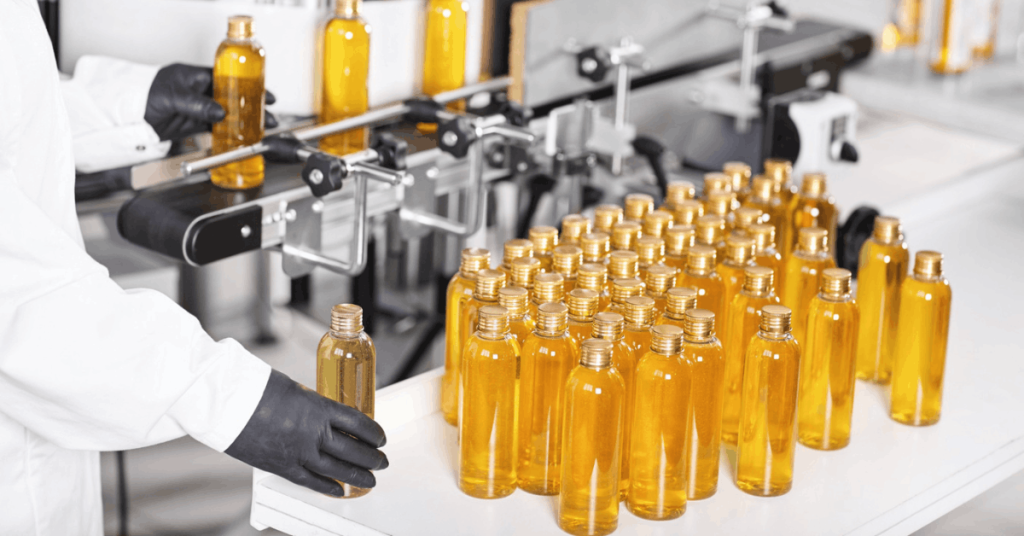
In the food and beverage industry, solvents are often used in extraction processes to isolate flavours, oils, colourants, or bioactive compounds. They are also used in purification processes such as decaffeination.
Although food-grade solvents are selected based on their safety profiles, improper removal or process inefficiencies can result in residual solvents in finished products. Common residual solvents in F&B manufacturing include:
| Solvent | Primary Industry Use | ICH Class |
| Hexane | Extraction: The industry standard for extracting edible oils from seeds, such as soy, sunflower, and canola, due to its efficiency. | Class 2 (Limit) |
| Ethanol | Carrier: Widely used as a carrier for natural flavourings, extracts like vanilla, and colourants. | Class 3 (Low Risk) |
| Ethyl Acetate | Decaffeination: A preferred solvent for decaffeinating coffee and tea leaves, as it occurs naturally in fruit and is considered a natural decaffeination method. | Class 3 (Low Risk) |
Cosmetics & Personal Care Products
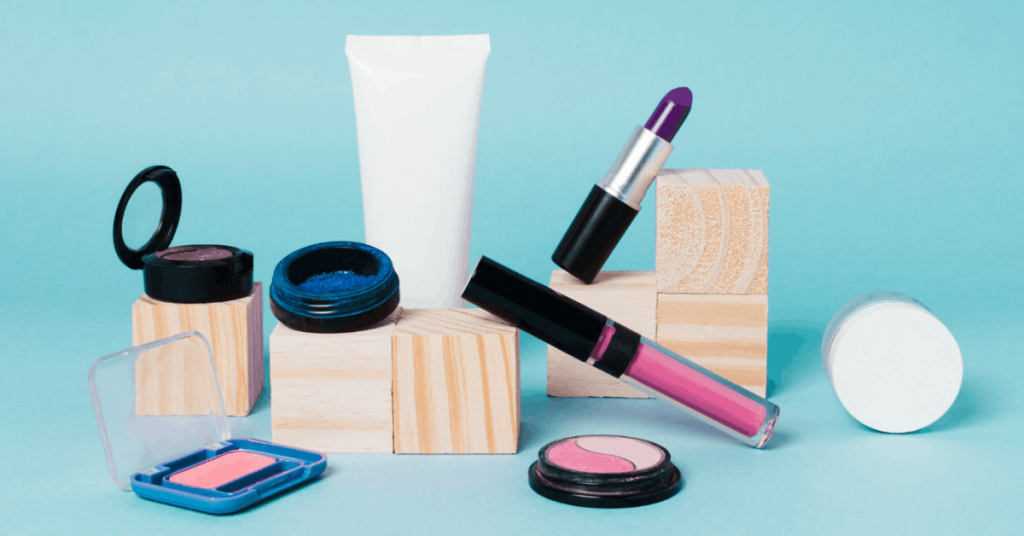
In cosmetics manufacturing, solvents play a key role in dissolving active ingredients, improving spreadability, and enhancing product texture or drying speed.
Residual solvents in finished cosmetic products may arise from fragrance preparation, nail polish formulation, or botanical extraction processes. Common residual solvents in cosmetics include:
| Solvent | Primary Industry Use | ICH Class |
| Toluene | Nail Products: Historically found in nail polishes to create a smooth finish and fast drying, though now strictly regulated due to toxicity concerns. | Class 2 (Limit) |
| Ethyl Acetate | Nail Removers: The primary active ingredient in non-acetone nail polish removers. | Class 3 (Low Risk) |
| Isopropyl Alcohol (IPA) | Fragrances & Toners: The base for many perfumes, sanitisers, and toners, helping to dissolve fragrance oils and provide a cooling sensation. | Class 3 (Low Risk) |
Although cosmetic exposure may differ from pharmaceutical ingestion, the risks of repeated topical application and inhalation highlight the need to carefully control solvent residues to ensure consumer safety.
Residual solvents are a specific subset of a larger group of chemical hazards that can impact your product and production facility. Explore our full guide on Volatile Organic Compounds (VOCs) to understand how they affect your broader regulatory compliance.
Analytical Excellence Since 1977
Trusted by industry leaders for precise, compliant, and high-quality analytical results.
Why Residual Solvent Control Matters?
The presence of even trace amounts of residual solvents can turn a high-quality product into a significant liability. Understanding the risks is critical not only for consumer protection but also for regulatory compliance and long-term brand integrity.
Health & Safety Risks
The primary concern surrounding residual solvents is their inherent toxicity. Since many of these products, such as medicines, food, or skincare products, are used daily, the risk of cumulative toxicity is high.
Even at low levels, solvents classified under ICH Q3C, particularly Class 1 and Class 2, are associated with severe health complications:
- Carcinogenicity
Long-term exposure to Class 1 solvents, such as benzene, is linked to leukaemia and other blood disorders. These are known human carcinogens, which is why their use is strictly prohibited in most manufacturing processes. - Neurotoxicity
Many chemicals target the central nervous system, leading to persistent headaches, dizziness, or impaired motor coordination. - Teratogenicity
Certain Class 2 solvents are suspected of interfering with foetal development, posing a severe risk to pregnant women who use prenatal vitamins, medications, or cosmetic products. - Organ Damage
Prolonged ingestion of Methanol residues, for instance, can cause irreversible damage to the optic nerve and liver.
Product Quality & Stability Risks
Beyond the immediate health hazards, residual solvents can physically alter a product, leading to product recalls that cost millions in lost revenue, delays in product registration or approval and loss of consumer trust and reputational damage.
- Altered Texture and Integrity
In pharmaceuticals, solvents act as unintentional plasticisers. They can lower the Glass Transition Temperature (Tg), causing tablets to crumble, capsules to soften, or polymers to degrade during storage. - Sensory Defects
Consumers are highly sensitive to chemical tastes and smells. In F&B and cosmetics, even safe Class 3 solvents like Ethyl Acetate can impart a chemical odour or bitter taste if not removed below the sensory threshold. - Chemical Incompatibility
Residual solvents can act as catalysts for unwanted chemical reactions in a formulation. For instance, trace amounts of reactive solvents may degrade active ingredients (APIs), reducing a medication’s potency before its expiration date. - Packaging Migration
Solvents from printing inks and adhesives on packaging can migrate into the product. This is particularly common in fatty food products or liquid medicines, which can draw volatile organic compounds (VOCs) through porous packaging barriers, leading to chemical contamination known as taint.
Legal & Business Risks
In Malaysia, the Ministry of Health (MOH) and the National Pharmaceutical Regulatory Agency (NPRA) maintain a watchful eye. Products found exceeding Permitted Daily Exposure (PDE) limits face immediate market withdrawal, heavy legal penalties, and irreparable damage to brand reputation.
- Costly Product Recalls
If solvent levels are found to be non-compliant, you may be forced to issue an immediate recall. This includes the massive costs of retrieving, transporting, and destroying stock, as well as potential fines.
- Loss of Registration (PRH) Status
For pharmaceutical companies, failing to provide accurate residual solvent data can result in the suspension or cancellation of your Product Registration Holder (PRH) status. Without this, you are legally barred from selling your product in the Malaysian market.
- Severe Regulatory Penalties
Under the Control of Drugs and Cosmetics Regulations 1984, providing incomplete or incorrect data can lead to revocation of licenses and result in significant penalties. For the first offence, individuals can be fined up to RM25,000, sentenced to up to 3 years’ imprisonment, or be subject to both.
- Litigation and Liability
Employees or consumers who suffer adverse health effects due to unmanaged chemical exposure have grounds to sue for negligence. Without an ISO-accredited lab report to prove you conducted due diligence, your legal defence is significantly weakened.
Regulatory & Compliance Considerations in Malaysia
Navigating the legal landscape in Malaysia requires understanding which governing body oversees your specific industry.
Pharmaceuticals: National Pharmaceutical Regulatory Agency (NPRA)
The National Pharmaceutical Regulatory Agency (NPRA) is the primary watchdog for drug safety in Malaysia.
- Dossier Requirements: All New Drug Products and Generics must include residual solvent data in their ASEAN Common Technical Dossier (ACTD).
- Part II-S & Part II-P: You must provide detailed validation for the solvents used in both the Drug Substance (synthesis) and the Drug Product (finished formulation).
Food & Beverages: The Food Act 1983 & Food Regulations 1985
The F&B sector is governed by the Food Act 1983 and Food Regulations 1985.
- Extraction Solvents: If an unlisted solvent is detected, it is treated as a contaminant and may lead to prosecution under Regulation 39 for poisonous or harmful substances.
- Standard Compliance: Regular monitoring ensures that extraction solvents, such as Hexane, in oils are purged to safe, non-toxic levels before the product reaches the shelf.
Cosmetics: Control of Drugs and Cosmetics Regulations 1984
In Malaysia, cosmetic products are governed by the Control of Drugs and Cosmetics Regulations 1984. Under these regulations, the NPRA manages a notification procedure that is strictly aligned with the ASEAN Cosmetic Directive (ACD).
- Annex Restrictions: Regulatory Annexes II and III list prohibited and restricted substances.
- Consumer Safety: While topical exposure differs from ingestion, the NPRA requires that finished products not contain residues that could cause systemic toxicity or skin sensitisation.
Why Residual Solvent Testing Is Essential?
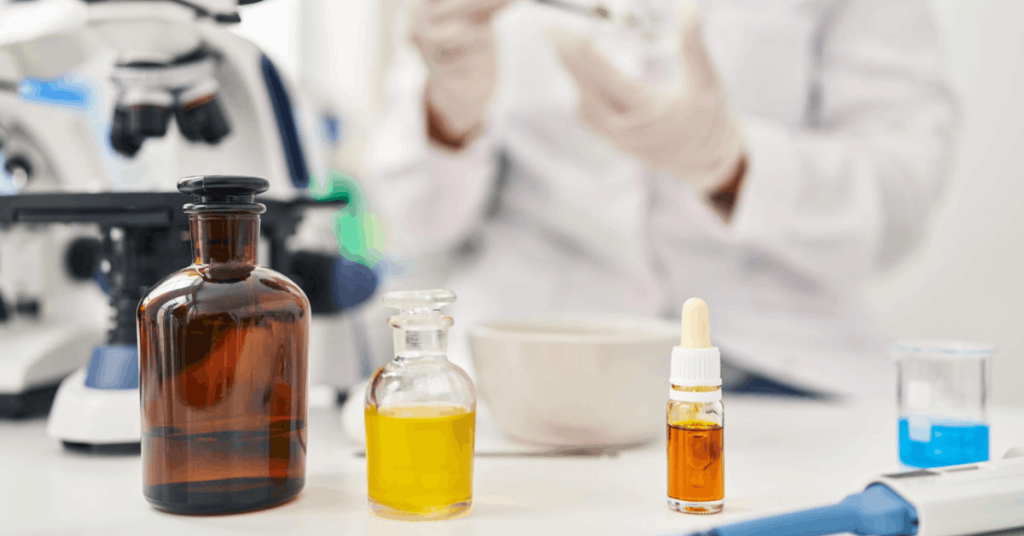
Since residual solvents are often invisible and odourless, relying on visual inspections or assumed purity is a significant risk. Even well-validated manufacturing processes can experience variability due to raw material differences, environmental conditions, equipment performance, or scale-up adjustments.
Professional testing is the only way to transform this uncertainty into a measurable guarantee of quality. It provides the objective, documented proof required to satisfy both internal quality standards and external regulatory bodies.
- Ensuring Safety (PDE Compliance)
The primary driver for testing is to verify that any remaining traces stay strictly below the Permitted Daily Exposure (PDE) limits for consumer safety.
- Market Access
In Malaysia and globally, providing residual solvent data is a legal prerequisite. Without it, your product cannot legally enter the market or clear the NPRA registration process.
- Protecting Product Integrity
Testing ensures that hidden solvents aren’t quietly degrading your product’s physical stability, potency, or sensory profile over time.
- Supplier Verification
Testing is the only way to verify your supply chain. It ensures that your raw material providers, especially those supplying APIs or botanical extracts, are delivering ingredients that are truly clean and safe.
Accredited Testing, Reliable Results
Supporting diverse industries with ISO-accredited testing and trusted analytical data since 1977.
Reliable Residual Solvent Testing with Biochem
At Biochem Laboratories, advanced GC-FID and GC-MS analytical systems are used to accurately identify and quantify trace solvent residues across pharmaceutical, cosmetic, and food and beverage applications.
As an ISO/IEC 17025 accredited laboratory recognised by the Ministry of Health (MOH), our testing is performed using internationally validated methods to ensure your results are accepted by regulators worldwide:
- Pharmaceuticals: Fully aligned with ICH Q3C and USP <467> for drug substance and product registration.
- Packaging & Materials: Utilising ASTM F1884-04 to detect migration and solvent retention in flexible packaging.
- Strategic Reporting: Each analytical report provides detailed solvent identification, classification, and limit evaluation to support your product registration and audit readiness.
Ensure your products meet Malaysian standards. Partner with Biochem today for accredited Residual Solvent Testing services and secure your brand’s reputation.
FAQs
Why can’t solvents be 100% removed during manufacturing?
A complete removal of solvents is technically impossible since solvents can become trapped within the crystal lattice of a solid powder or remain deeply embedded in the viscous matrix of creams and oils. In some cases, solvents can form azeotropes that resist complete evaporation.
Although manufacturers use advanced drying techniques such as vacuum distillation, tray drying, or spray drying, removing the final trace amounts often requires extreme heat or prolonged drying. This can degrade active ingredients, alter product stability, or compromise product performance.
How often should I test my finished products for residual solvents?
Testing frequency depends on several factors, such as:
- Product type
- Solvent class used
- Manufacturing process consistency
- Regulatory submission requirements
- Process, formulation, or supplier changes
For pharmaceuticals, batch-to-batch testing is generally the standard practice in routine quality control. In some cases, reduced testing frequency (Skip-lot testing) may be justified through robust process validation data, demonstrating consistently negligible solvent levels.
However, such justification must be supported by documented risk assessment and regulatory acceptance. Nevertheless, even with skip-testing approval, annual surveillance testing is typically required.
How do residual solvents affect Halal certification in Malaysia?
For products seeking Halal certification, the source of the solvent is just as important as the amount. In Malaysia, the presence of Ethanol is the primary concern. According to the Department of Islamic Development Malaysia (JAKIM) guidelines:
- Ethanol produced from the fermentation of the intoxicating liquor industry (khamr) is Haram, regardless of quantity.
- Ethanol derived from chemical synthesis or non-liquor fermentation is generally permissible (Ma’fu) if the level is low and not intended for intoxication, typically <0.5% or 1% (if through natural fermentation), depending on the product category.
This is why accredited testing is often required to prove the source and concentration of ethanol to support your Halal certification.
Does the NPRA require residual solvent data for all new drug registrations?
Yes. The National Pharmaceutical Regulatory Agency (NPRA) requires residual solvent data for both New Drug Products (NDP) and generic products submitted under the ASEAN Common Technical Dossier (ACTD) format.
You must explicitly declare the solvents used in both the Drug Substance (Part II-S) and the Finished Product (Part II-P), and provide validation data to prove they are within safe limits. Failure to provide adequate data may delay evaluation or result in regulatory queries during the review process.
What is the typical turnaround time for an accredited residual solvent report?
The standard turnaround for a full residual solvent analysis typically ranges from 5 to 14 working days. For urgent cases, such as an unexpected batch failure or a pending NPRA query, laboratories often offer expedited testing services to help resolve the issue quickly, usually at an additional premium fee.
Get In Touch With Us And Get A Quote
Drop us a line for more service details and pricing information.