

Most people assume their water is safe simply because it looks clear. But water quality is far more complex than what the eye can see. Even when it appears clean, water can still contain invisible contaminants, including bacteria, heavy metals, chemical residues, and industrial pollutants, posing risks to both human health and business operations.
For Malaysian businesses, this presents a significant challenge. Water is involved in almost every part of industrial and commercial activity—from food preparation to manufacturing processes and wastewater discharge. Simply assuming water is safe is no longer enough.
This is where water quality testing becomes essential. By analysing the physical, chemical, and microbiological properties of water, testing enables businesses to identify contaminants early, prevent operational disruptions, protect equipment, and meet Malaysian regulatory requirements.
In this article, we examine the importance of water testing for businesses and its role in protecting both organisations and the communities they serve.
What Is Water Quality Testing?
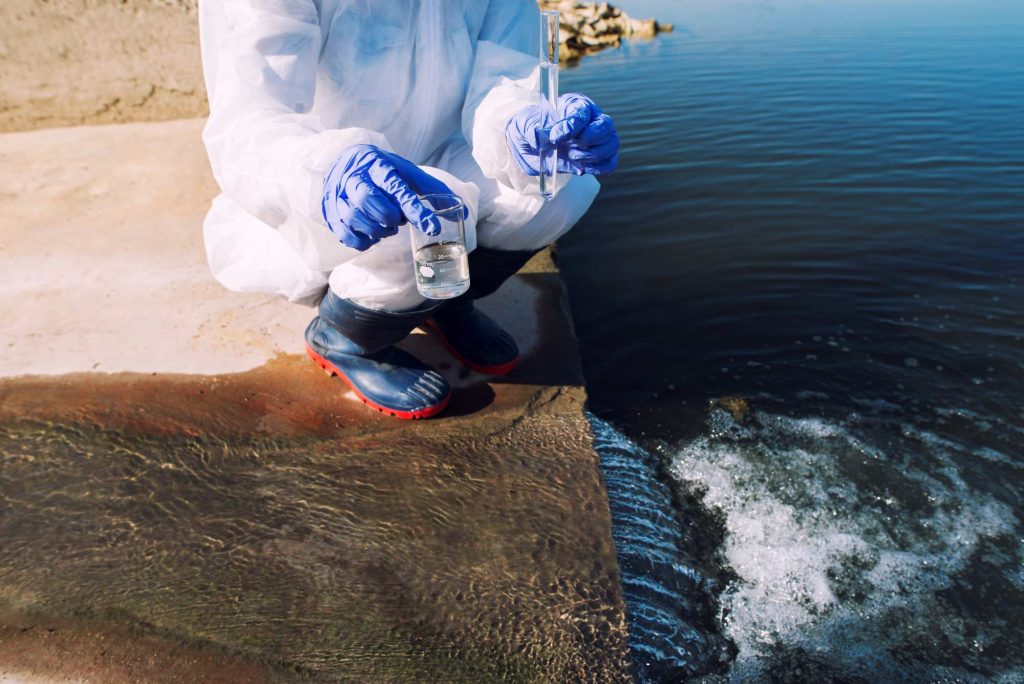
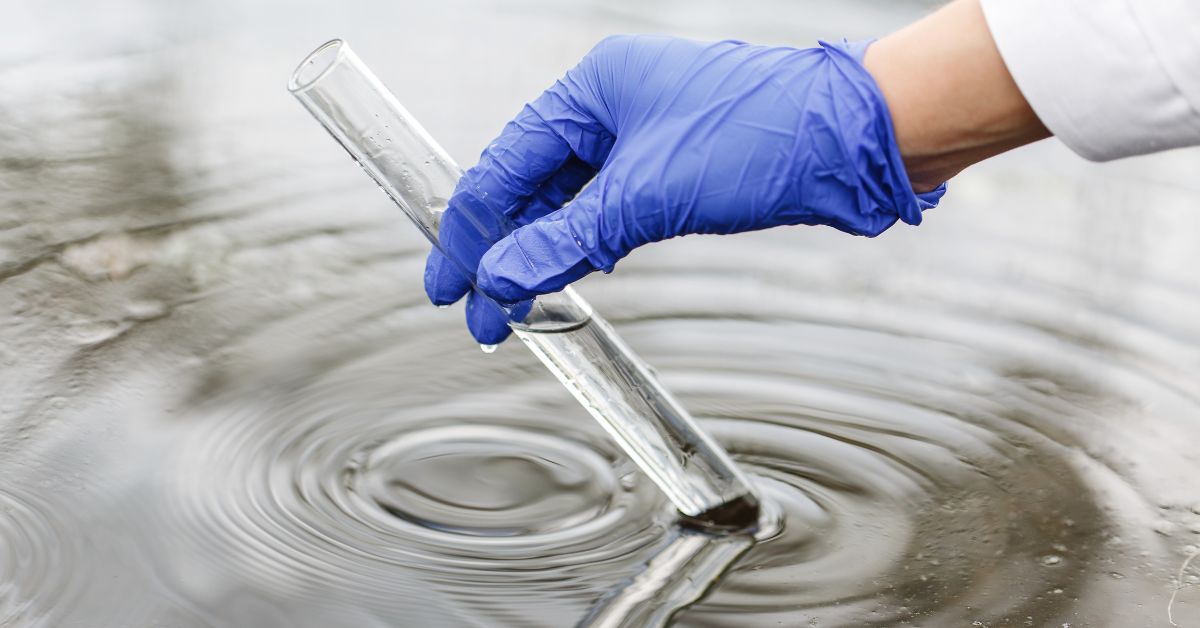
Water quality testing is the scientific analysis of water to determine whether it is safe, compliant, and suitable for its intended use. In a business context, it involves examining the physical, chemical, and microbiological properties of water to ensure it meets the standards required for drinking, production processes, sanitation, and environmental discharge.
By providing accurate data on what is present in the water, testing helps organisations:
- Verify regulatory compliance with Malaysian standards and industry requirements
- Maintain operational efficiency by preventing water-related disruptions
Protect product quality and consistency across manufacturing processes - Extend equipment lifespan by reducing corrosion, scaling, and fouling
- Support environmental responsibility through proper discharge management
- Enhance workplace safety by ensuring clean water for employees
- Make informed decisions about water treatment, usage, and risk management
Ever considered that what wraps your food might affect what is inside it? Uncover the hidden chemicals in food packaging and learn how to safeguard your meals.
Types of Water Testing for Businesses
 Freepik
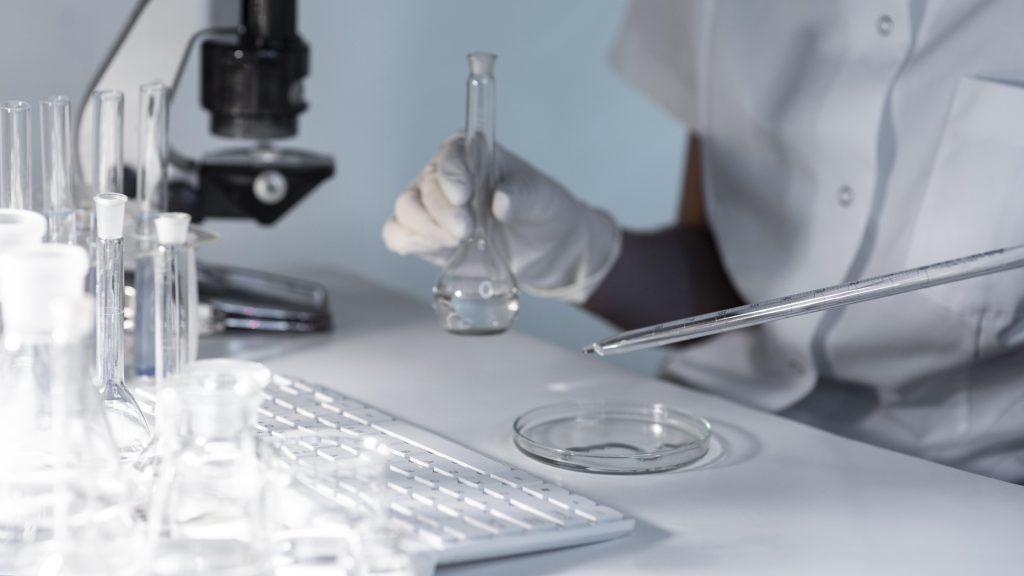
Businesses use water for a wide range of purposes, and each application requires specific quality standards. To ensure safety, compliance, and operational efficiency, organizations typically conduct different types of water testing based on how water is used within their facility. These can be grouped into three main categories:
1. Drinking Water (Potable Water) Testing
Drinking water testing ensures that water used for consumption, food preparation, or sanitary purposes is safe for employees, customers, and facility users. Businesses often conduct potable water testing to:
- Confirm that the water supplied to staff and visitors is safe
- Meet health and safety requirements set by authorities
- Prevent microbial or chemical contamination that could cause illness
This type of testing is essential for offices, hospitals, F&B outlets, accommodation facilities, and any environment where water is consumed directly.
2. Process Water Testing
Process water refers to water used directly in manufacturing, production, or operational processes. Its quality affects product consistency, chemical reactions, and equipment efficiency. Businesses test process water to:
- Ensure it meets the specifications required for production
- Protect sensitive machinery from scaling, corrosion, or impurities
- Maintain product quality and prevent contamination
- Support efficient heating, cooling, and cleaning processes
Industries such as food and beverage, pharmaceuticals, chemicals, and electronics rely heavily on the quality of process water.
3. Wastewater and Effluent Testing
Before wastewater is discharged into drains, sewage systems, or natural waterways, it must comply with the Department of Environment (DOE) limits. Wastewater testing helps businesses:
- Ensure effluent discharge meets regulatory limits
- Prevent environmental pollution or contamination
- Avoid legal penalties, shutdowns, or enforcement actions
- Monitor treatment system effectiveness
- Demonstrate responsible waste and environmental management
This type of testing is essential for manufacturing plants, food processing facilities, laboratories, and any industries that generate wastewater.
Accredited Testing, Reliable Results
Supporting diverse industries with ISO-accredited testing and trusted analytical data since 1977.
Common Sources of Water Contamination and Wastewater Discharge in Businesses
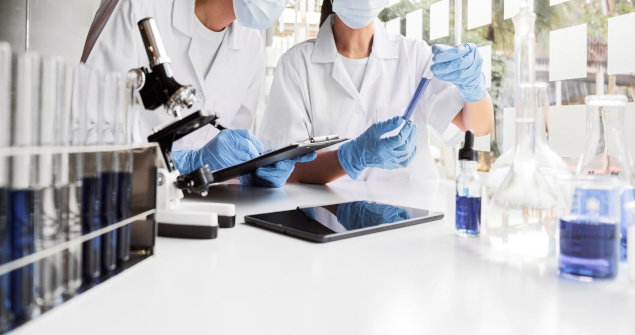
Water in business operations can become contaminated at any stage of use. Many pollutants come from equipment, raw materials, or daily processes. Understanding these sources helps prevent risks to quality, compliance, and the environment.
Below are the most common contamination sources businesses encounter:
1. Chemical Residues from Industrial Processes
Many industries handle chemicals daily, including cleaning agents, solvents, preservatives, lubricants, surfactants, and production chemicals. These substances can enter water through:
- Production line runoff
- Improper cleaning or flushing of equipment
- Storage tank leaks
- Chemical blending or mixing operations
- Accidental spills or cross-contamination
Even trace amounts of chemical residues can disrupt product formulations, affect taste or purity, and lead to wastewater discharge violations.
2. Microbial Growth in Water Systems
Microbial growth is a common issue in untreated or poorly maintained water systems. bacteria, fungi, algae, and biofilms can develop, especially in:
- Cooling towers
- Storage tanks
- Pipelines and distribution systems
- Food processing lines
- Boiler feedwater systems
When left unchecked, these microorganisms can cause:
- Equipment fouling
- Product contamination
- Legionella risks in HVAC or cooling systems
- Odor and taste issues in potable water
3. Heavy Metals and Mineral Contaminants
Heavy metals and mineral impurities can enter water through several pathways, including:
- Corroding pipes and tanks
- Industrial raw materials
- Machinery wear and tear
- Metal finishing processes
- Inadequate filtration or treatment
When levels rise beyond acceptable limits, these contaminants can cause scaling, corrosion, and reduced heat transfer efficiency, ultimately shortening equipment lifespan. In manufacturing and processing environments, they may also interfere with product formulations or compromise final product purity.
4. Organic and Industrial By-Products
Organic compounds and industrial by-products can enter water through everyday manufacturing activities, cleaning processes, or material handling. These may include:
- Oils and grease from mechanical processes
- Organic matter from F&B operations
- Surfactants and emulsifiers
- Petroleum-based residues
- Process waste chemicals
When present in water, these substances affect wastewater quality and can damage equipment or disrupt environmental discharge limits.
5. Suspended Solids and Particulate Matter
Suspended solids and particulates can originate from raw material handling, production debris, pipeline corrosion, or inadequate filtration. These particles increase turbidity, making water harder to treat or disinfect.
Over time, high solid levels can clog equipment, reduce filtration system performance, and interfere with downstream processes.
6. Wastewater Discharge from Production Activities
Most industrial processes generate wastewater that carries a wide range of contaminants, including:
- Chemical pollutants
- High-strength organic matter
- Process scrap
- Colorants, dyes, or pigments
- Cleaning and sanitizing residues
- Nutrients (such as nitrogen, phosphorus)
If left untreated or improperly managed, these discharges can breach DOE effluent standards and impact natural waterways. Uncontrolled wastewater also poses broader environmental risks, including waterway pollution, ecosystem disruption, and potential public health concerns.
Analytical Excellence Since 1977
Trusted by industry leaders for precise, compliant, and high-quality analytical results.
Why Water Testing Is Important for Businesses
 Freepik
Water plays a central role in business operations, yet its quality is often overlooked. Regular testing ensures that water used for consumption, manufacturing, and discharge consistently meets the required safety and regulatory standards.
1. Ensures Compliance with Malaysian Environmental Regulations
Compliance is one of the strongest reasons businesses need regular water testing. In Malaysia, both drinking water and wastewater are regulated by strict standards, and failure to comply can result in fines, operational disruptions, or long-term reputational damage.
Compliance with DOE Effluent Standards
Industries that generate wastewater are required to comply with the Environmental Quality Act (EQA) 1974 and the Department of Environment (DOE) effluent limits.
Regular wastewater testing enables businesses to:
- Ensure all discharge meets DOE regulatory limits
- Avoid violations that could lead to fines or enforcement action
- Monitor the effectiveness of their wastewater treatment systems
- Demonstrate responsible environmental stewardship
Meeting Ministry of Health (MOH) Drinking Water Requirements
Businesses that provide drinking water to employees, customers, or visitors must adhere to the National Drinking Water Quality Standards (NDWQS) set by the Ministry of Health (MOH).
Regular potable water testing helps organizations:
- Ensure drinking water is safe from harmful microorganisms, chemicals, and metals
- Meet required health, safety, and sanitation guidelines
- Prevent contamination incidents that could cause illness or liability issues
Supporting Industry Certifications and Audits
Many industries, especially food and beverage, pharmaceuticals, and manufacturing, undergo routine audits and certification processes such as:
- ISO
- HACCP
- GMP
- Halal
- Environmental audits
2. Reduces Operational Costs and Extends Equipment Life
Poor water quality can damage equipment, increase maintenance costs, and disrupt production. Regular water testing helps businesses identify issues early and keep systems running efficiently.
- Prevents scaling and corrosion in boilers, cooling towers, and pipelines
- Reduces unplanned downtime caused by equipment fouling or blockages
- Improves system efficiency by maintaining proper water chemistry
- Protects high-value equipment from premature wear and costly repairs
By maintaining clean, stable water quality, businesses can extend equipment lifespan and significantly reduce operational expenses.
3. Protects Employee Health and Reduces Liability
Water used for drinking, cleaning, or workplace operations must be safe and free from harmful contaminants. Regular water testing helps businesses detect issues early and maintain a healthy, compliant working environment.
- Detects harmful microorganisms that may cause gastrointestinal illness, skin irritation, or respiratory issues
- Identifies chemical and metal contaminants that pose long-term health risks
- Prevents workplace-related illness linked to contaminated drinking or process water
- Reduces liability by demonstrating due diligence and compliance with health regulations
By ensuring employees have access to clean and safe water, businesses protect worker well-being and avoid legal or reputational consequences.
Think your facility is safe just because everything looks under control? Explore how environmental monitoring uncovers compliance gaps and prevents regulatory violations.
4. Safeguards Brand Reputation and Customer Confidence
Water quality directly affects how customers perceive a business, especially in industries where cleanliness, safety, and product integrity matter. A single contamination incident—whether in drinking water, process water, or wastewater discharge can quickly damage trust and affect long-term brand reputation.
Regular water testing helps businesses maintain high standards and demonstrate their commitment to safety and quality.
- Prevents contamination incidents that could harm customer trust or public perception
- Ensures consistent product quality, especially in F&B, pharmaceuticals, and consumer goods
- Supports hygiene and safety standards expected by customers and regulatory bodies
- Protects against negative publicity, product recalls, or social media backlash
By maintaining reliable water quality, businesses strengthen credibility, protect customer relationships, and build a more trustworthy brand image.
5. Meets Industry-Specific Quality Requirements
Different industries use water in various ways, from ingredient preparation to high-precision manufacturing. Regular water testing helps businesses meet the specific standards required in their sector, maintain consistency, prevent contamination, and stay compliant.
- Food and Beverage: Ensures water used as an ingredient or for cleaning is safe, hygienic, and free from contaminants that could affect taste or product quality.
- Manufacturing and Pharmaceuticals: Supports precise production processes, prevents impurities from affecting formulations, and protects sensitive equipment.
- Hospitality and Healthcare: Maintains high hygiene standards, ensures safe water for guests and patients, and reduces microbial risks in cooling and plumbing systems.
- Environmental Agencies and Municipal Treatment: Supports monitoring of supply quality and environmental discharge to protect public health and ecosystems.
With industry requirements often tied to strict standards or certifications, regular water testing helps businesses stay compliant and maintain reliable, high-quality operations.
6. Enables Effective Wastewater Management
Proper wastewater management is crucial for businesses that discharge effluent, as untreated or poorly monitored wastewater can easily exceed regulatory limits and harm the environment. Regular water testing helps businesses maintain control over their wastewater quality and comply with DOE requirements.
- Monitors key parameters such as BOD, COD, TSS, oil and grease, and nutrients
- Evaluates treatment system performance to ensure contaminants are being removed effectively
- Identifies rising pollutant levels early, before they lead to violations or system overload
- Supports environmental responsibility by preventing pollution and protecting natural waterways
By consistently testing wastewater, businesses can avoid compliance issues, reduce environmental impact, and operate more sustainably.
Get Reliable Water Testing Solutions for Your Business

Water quality affects your operations, employees, customers, equipment, and the environment. With stricter Malaysian regulations and rising expectations for safety and sustainability, regular water testing is now a business essential.
At Biochem Laboratories, our ISO/IEC 17025 SAMM–accredited lab and 40 years of experience allow us to deliver accurate, reliable water-quality and wastewater-testing services that help organizations stay compliant, protect health, and improve operational performance.
Our Water Quality and Wastewater Testing Services
- Drinking Water Testing
- Industrial and Process Water Testing
- Wastewater Characterisation
- Effluent Testing for DOE Compliance
Take control of your water quality—protect your operations, people, and environment with trusted testing solutions. Partner with Biochem Laboratories for trusted Water Quality and Wastewater Testing solutions.
FAQs
1. How often should businesses conduct water quality testing?
Testing frequency depends on how the water is used. Drinking water is typically tested every 3 to 6 months; process water may require more frequent testing depending on industry requirements, and wastewater testing is often performed monthly or quarterly to maintain DOE compliance.
High-risk industries or facilities with older infrastructure may require more frequent checks.
2. What is the difference between potable water testing and process water testing?
Potable water testing evaluates whether water is safe for human consumption and meets MOH standards. Process water testing, however, focuses on whether water meets the specific quality needs of manufacturing, food processing, pharmaceutical production, or other industrial operations.
Each serves different safety and operational purposes.
3. What happens if my business fails a water quality test?
A non-compliant result typically means certain parameters exceed regulatory or operational limits. The following steps include identifying the source of contamination, adjusting treatment systems, retesting, and documenting corrective actions to meet standards.
Failing a DOE effluent or MOH drinking water requirement may also require immediate mitigation to avoid penalties.
4. How long does water testing take, and how soon can I get results?
Turnaround time depends on the type of testing and the required parameters. Basic tests may take a few days, while more detailed chemical or microbiological analyses may require slightly longer. Accredited laboratories provide clear timelines and can expedite testing when needed.
5. What kind of samples do I need to provide for water testing?
This depends on the type of water being analyzed. Drinking water, process water, and wastewater each require different sampling procedures and containers. Laboratories typically provide guidance or even sampling services to ensure samples are collected correctly.
6. What are the early warning signs of water issues in my facility?
Common indicators include changes in color or odor, scaling on equipment, inconsistent product quality, clogged filters, corrosion, or unexpected downtime. However, many water quality issues develop with no visible signs, making routine testing essential.
7. Does my business need a full water testing program or just one-off testing?
One-off testing is suitable for baseline assessments or sudden issues, but most industries benefit from a scheduled testing program. Regular monitoring helps track trends, comply with regulations, and detect problems before they impact operations.
Get In Touch With Us And Get A Quote
Drop us a line for more service details and pricing information.