


In recent years, key incidents and initiatives have highlighted the growing risks and responsibilities faced by Malaysian food businesses.
In 2022, two internationally recognised baby formula products were recalled following alerts from the Health Ministry, highlighting lapses in quality control and post-market monitoring in the infant nutrition sector.
Today, Malaysia is taking a leading role in global F&B trade, with MATRADE leading over 120 local companies to Gulfood 2026 in Dubai. Participating companies focus on sauces, pastes, and ready-to-eat meals, reflecting rising demand for convenient food in GCC markets.
Malaysia is redefining halal to cover not just religious compliance but also holistic wellness and food safety.
While these events have different causes, they all affect consumer trust, brand reputation, and market access. This article explains why food testing is essential as a preventive safeguard for regulatory compliance, halal assurance, and long-term business credibility.
What is Food Testing?
Food testing is the scientific analysis of food products and their components to verify safety, quality, and compliance with regulatory and industry standards.
In Malaysia, food testing helps identify contaminants, validate ingredient integrity, and ensure products meet legal, halal, and export requirements.
Food testing is not a single test or one-time activity. Proper testing is a multi-parameter risk prevention process tailored to the product type, ingredients, processing method, and intended market.
Depending on the product, food testing may include:
- Microbiological analysis to detect pathogens such as Salmonella, E. coli, and Listeria
- Chemical testing for pesticide residues, antibiotic residues, preservatives, and prohibited substances
- Heavy metals analysis for contaminants such as lead and mercury
- Allergen testing to support accurate labeling and consumer safety
- Nutritional and compositional analysis for regulatory and retail requirements
- Shelf life studies to scientifically validate product durability and safety
Food testing extends beyond the finished product to cover raw materials, in-process samples, and packaging, with food contact migration testing assessing whether substances from packaging can migrate into food and create health or compliance risks.
For manufacturers and importers, accredited laboratory testing demonstrates due diligence by enabling early risk detection, timely corrective action, and compliance with regulators, certification bodies, retailers, and export authorities.
The High Cost of Ignorance: When Food Testing Is Overlooked
Contamination incidents can escalate fast—from minor complaints to viral social media exposure and investigations by the Pejabat Kesihatan Daerah (PKD).
Once authorities step in, closures can happen immediately, and the business loses control of both the investigation and the public narrative.
Small operators face serious consequences. In September 2024, a primary school canteen in Perak was ordered closed for 14 days after 101 students fell ill in a suspected Salmonella incident, under Section 11 of the Food Act 1983.
Larger organisations aren’t immune. After a government agency Family Day event (Oct 4, 2025) at a Petaling Jaya theme park, viral claims suggested “over 800” were affected—but the Selangor Health Department’s investigation reported 322 symptomatic cases and linked the cause to contaminated food and cooking equipment, leading to a temporary kitchen closure.
Inadequate testing also threatens market access. In February 2025, Singapore ordered a recall of Malaysian cookies after milk (an allergen) was detected but not declared on the label—a reminder that export markets enforce strict compliance and can quickly disrupt listings, shipments, and buyer confidence.
Compared with these outcomes, routine food testing is a predictable, low-cost safeguard against operational disruption, legal exposure, and reputational damage.
Accredited Testing, Reliable Results
Supporting diverse industries with ISO-accredited testing and trusted analytical data since 1977.
5 Reasons Proper Food Testing Prevents Costly Food Safety Incidents
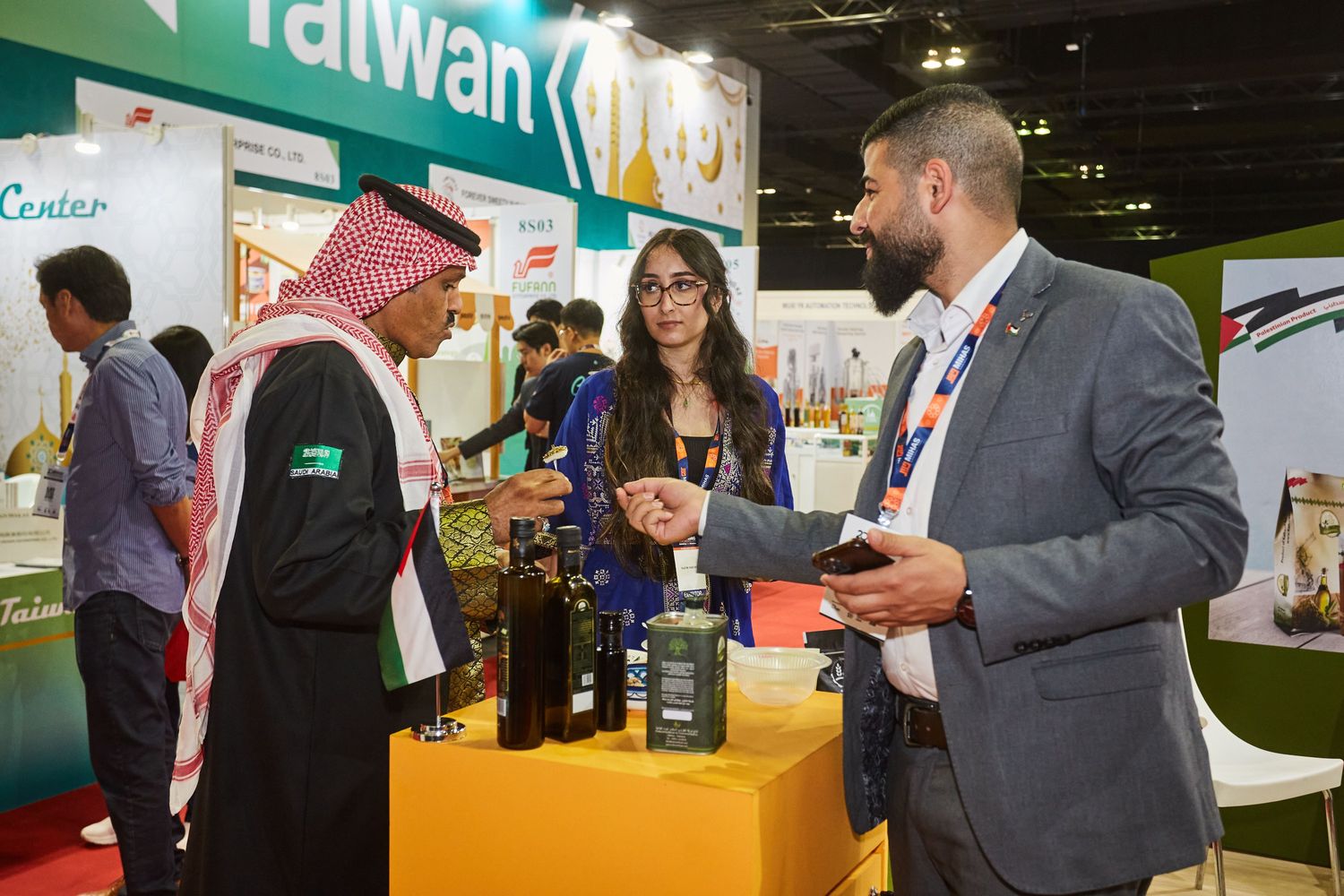 MIHAS
MIHASFood recalls, halal failures, and food poisoning rarely happen without warning. Routine food testing detects contamination, non-compliance, and quality issues early, acting as a preventive safeguard.
Skipping testing in Malaysia risks closures, lost market access, and reputational damage. Here are five ways it protects your business and customers:
1. Avoid KKM Fines, Closures, and Criminal Liability
Under Malaysia’s Food Act 1983 and Food Regulations 1985, selling unsafe or contaminated food is a strict liability offence.
Businesses may face fines of up to RM100,000, imprisonment, or immediate suspension of operations, regardless of intent.
Regular food testing provides documented proof of due diligence and helps businesses stay compliant during inspections by KKM and local health authorities.
2. Protect Your Halal Status and Toyyiban Assurance
Halal compliance goes beyond avoiding pork; it includes toyyiban, ensuring food is clean, safe, and wholesome.
Laboratory testing detects porcine DNA, traces of alcohol, and cross-contamination risks, safeguarding certification and consumer trust.
3. Detect Invisible Food Safety Hazards
Pathogens such as Salmonella and E. coli, heavy metals, and chemical residues cannot be detected through sight or taste.
Food testing is the only reliable way to identify these hidden hazards before products reach consumers.
4. Secure Market Access for Retail and Export
Major retailers and export authorities require a valid Certificate of Analysis (COA).
Without testing, access to supermarkets, institutional buyers, and export markets like Singapore or the EU is blocked.
5. Safeguard Brand Reputation and Consumer Trust
In a social media-driven environment, a single food safety incident can undo years of brand building.
Proactive food testing acts as a risk management tool, helping businesses protect their reputation, maintain customer confidence, and demonstrate accountability.
Common Contaminants in the Malaysian Food Supply Chain
 Freepik
Food contamination can take multiple forms, each posing distinct risks to consumer safety, regulatory compliance, and brand reputation. Understanding these hazards is essential for manufacturers, importers, and food service operators in Malaysia.
Microbiological Contaminants
Microorganisms such as Salmonella, E. coli, and Listeria are among the most common culprits in raw meat, poultry, and ready-to-eat products. These pathogens can cause foodborne illnesses ranging from mild gastrointestinal upset to severe hospitalisation.
Regular microbiological testing helps identify these hazards before products reach consumers.
Water is a hidden contamination risk. Contaminated water used in processing, washing, or cleaning can introduce pathogens into food. Learn why water testing matters in our article.
Chemical Contaminants
Chemical hazards include pesticide residues in vegetables, antibiotic residues in poultry and aquaculture, and excessive preservatives such as benzoic or sorbic acid. These substances can accumulate over time, posing chronic health risks and triggering regulatory action or export rejections.
Routine chemical analysis ensures products meet Malaysian and international safety standards.
Physical Contaminants
Physical contaminants, including heavy metals such as lead and mercury, are frequently found in seafood and certain processed foods. Exposure to these metals can cause long-term health issues and compromise export eligibility.
Laboratory testing for physical contaminants safeguards consumer health and maintains compliance with local and international regulations.
By identifying and mitigating microbiological, chemical, and physical hazards, food businesses can ensure safety, protect brand reputation, and maintain access to both local and export markets.
Beyond Product Testing: Packaging and Shelf Life Validation
 Freepik
Food safety risks are not limited to the product itself. Packaging safety and scientifically validated shelf life are often overlooked, yet both can affect consumer health, trigger regulatory action, and damage brand credibility, even when the food formulation is safe.
Food Contact Migration: Packaging as a Safety Risk
Packaging materials can introduce contamination. Certain plastics, coatings, inks, and adhesives may release chemicals into food during storage, heat exposure, or contact with acidic or oily products.
In Malaysia, Regulation 27 of the Food Regulations 1985 governs food contact materials. Migration testing determines whether substances transfer from packaging into food, helping businesses to:
- Prevent chemical contamination from plastics, films, laminates, and paper packaging
- Comply with Malaysian and international standards, including EU requirements
- Reduce long-term consumer health risks linked to chemical exposure
- Maintain export eligibility to markets such as Singapore, the EU, and GCC countries
- Avoid recalls caused by packaging-related contamination or off-tastes
Who should consider migration testing:
- Manufacturers using plastic, flexible, or multi-layer packaging
- Products with hot-fill processes or high-temperature storage
- Exporters to markets with strict packaging controls
- Businesses using new or untested packaging suppliers
- Brands receiving complaints about taste, odor, or packaging interactions
Want to dive deeper into packaging safety risks? Read our comprehensive guide: Harmful Chemicals in Food Packaging That May Leach Into Your Food to understand which substances pose the greatest risks and how to protect your products.
Shelf Life Studies: Replace Assumptions With Evidence
Many food businesses estimate expiry dates based on industry norms or competitor benchmarks. This approach increases the risk of premature spoilage, unnecessary waste, or regulatory non-compliance.
Shelf life studies provide defensible data for regulators, retailers, and certification bodies.
What shelf life testing covers:
- Real-time studies under actual storage conditions
- Accelerated testing to predict long-term stability
- Microbiological safety throughout the stated shelf life
- Monitoring of sensory quality and nutritional changes
- Compliance with MeSTI, Halal, and export requirements
Business impact:
Validated shelf life helps prevent recalls, reduces revenue loss from overly conservative dating, avoids labeling penalties, and lowers the risk of retailer rejection. It also supports confident product launches and optimized shelf life claims.
Who needs shelf life validation:
- New product launches
- Recipe, ingredient, or process changes
- Packaging format changes
- Exporters requiring documented shelf life data
- Businesses facing spoilage complaints or high return rates
Why Biochem Laboratories is Your Trusted Safety Partner
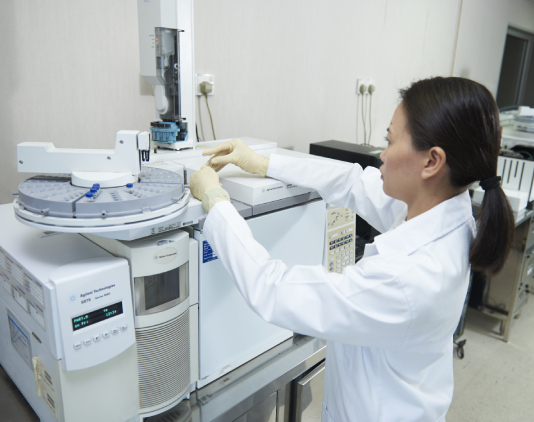
After exploring real-world contamination cases, common food hazards, packaging risks, and the critical reasons for proactive testing, one thing is clear: food safety is not optional.
Businesses that invest in comprehensive laboratory testing protect their customers, maintain regulatory compliance, and safeguard their brand reputation.
With nearly 50 years of experience, Biochem has earned its reputation in food safety. Here’s what sets us apart:
- Established Heritage: Serving Malaysian businesses since 1977.
- Accredited & Recognized: ISO/IEC 17025-accredited and MOH-recognized.
- One-Stop Solution: Comprehensive testing from microbiology, and shelf life studies to heavy metals analysis.
- SME-Friendly: Budget-conscious solutions without compromising accuracy or safety.
- Trusted Partner: Proven expertise in protecting brands, ensuring compliance, and safeguarding consumer trust.
Food testing is not an expense; it’s an investment in your brand, your customers, and your business’s longevity.
Don’t wait for a closure notice: contact Biochem Laboratories today to protect your operations and reputation.
FAQs
Is food testing mandatory for all food businesses in Malaysia?
While not every hawker tests each dish, manufacturers and businesses seeking Halal or MeSTI certification are required to provide laboratory testing reports (COA) to comply with the Food Regulations 1985.
Food testing demonstrates due diligence and regulatory compliance, especially for packaged or processed foods.
What happens if my food product fails a lab test?
Biochem provides a confidential report identifying the source of contamination—whether from raw materials, processing, or packaging.
This allows you to correct the issue before your product reaches the market or KKM inspection, protecting your brand and avoiding penalties.
How much sample quantity is needed for food testing?
Standard sample sizes range from 200g to 500g, depending on the type of test (microbiological vs. chemical). Contact Biochem Lab for guidance on the precise amount for your product and parameters.
How often should I test my food products?
Required tests depend on your product type, ingredients, and target market. Biochem conducts a risk assessment to recommend only essential tests, balancing cost efficiency with food safety.
Common combinations include microbiology and chemical screening for packaged foods, microbiology and heavy metals for seafood, and allergen testing for products containing common allergens.
What food testing is required for exporting to Singapore, EU, or GCC countries?
Testing costs vary by product and test scope, but they are minimal compared to the cost of a recall, regulatory fine, closure, or lost export contract. A single KKM penalty can far exceed an annual testing budget.
Biochem offers testing packages at competitive price tailored to product risk, making food safety a practical and worthwhile investment.
Get In Touch With Us And Get A Quote
Drop us a line for more service details and pricing information.