




Many people are unaware that every day, we step into environments filled with invisible risks. Whether you are heading to work or simply stepping outside for a breath of fresh air, we are constantly surrounded by environmental hazards that often go unnoticed.
Picture this: fine dust lingering in the air after a morning shift, the constant hum of machinery growing louder by the hour, or rainwater carrying traces of chemicals into nearby drains. These are not distant problems — they are familiar realities for countless people working across Malaysia’s industrial sectors.
Behind every sound, smell, or ripple in the water lies an unseen risk that can quickly escalate into a safety hazard or costly violation. With over 66,000 workplace accidents reported by PERKESO in 2024, Malaysian industries can no longer afford a reactive approach.
This is why environmental monitoring matters. It gives industries the insight to balance growth with responsibility, ensuring progress never comes at the expense of people or the planet.
In this article, we will explore what environmental monitoring is, its key types, and why it plays a vital role in helping Malaysian industries reduce risks through accredited testing and reliable data.
What Is Environmental Monitoring

Environmental monitoring is the systematic process of measuring environmental data, including air and water quality, noise levels, and waste composition.
In industries, it acts as an early warning system that helps detect pollution, contamination, or unsafe conditions before they escalate into costly problems or regulatory violations. It ensures that facilities operate within safe and acceptable limits, protecting workers, communities, and surrounding ecosystems.
Why Environmental Monitoring Is Important
Environmental monitoring enables industries to:
- Detect risks early, preventing accidents and operational disruptions
- Stay compliant with the Department of Environment (DOE) and national regulations
- Track emissions, waste, and pollutants to meet safety and environmental standards
- Protect worker health and community well-being
- Gather accurate data for environmental reporting, ESG goals, and audits
- Support sustainable growth by balancing productivity with environmental responsibility
- Build trust with regulators, partners, and the public through transparent practices
By combining real-time sensors, sampling equipment, and accredited laboratory analysis, environmental monitoring provides the reliable data needed for informed decisions and long-term compliance. It helps industries grow responsibly without compromising safety or sustainability.
Ever wondered if your electronics could be exposing you to hidden toxic metals? Learn how hazardous substances inside everyday gadgets can affect your health — and how RoHS compliance keeps you safe.
Types of Environmental Monitoring
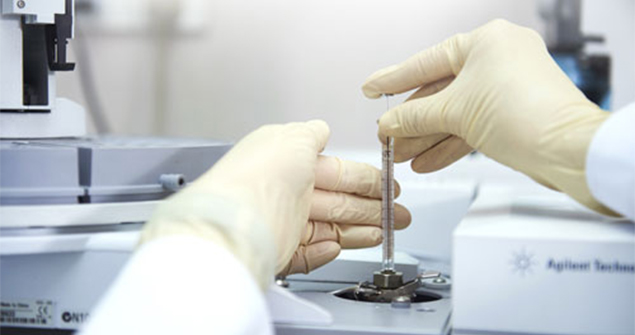
Different industrial activities pose different environmental risks, from air pollution and wastewater discharge to soil contamination and noise exposure. To manage these effectively, industries rely on several key types of environmental monitoring.
1. Air Quality Monitoring
Air quality monitoring measures pollutants in the atmosphere, such as dust (PM2.5, PM10), sulfur dioxide (SO₂), nitrogen oxides (NOₓ), and carbon monoxide (CO). These pollutants often result from fuel combustion, chemical processes, and material-handling activities.
For manufacturers, consistent air monitoring helps:
- Detect harmful emissions before they exceed legal limits.
- Protect workers from respiratory issues caused by fine particles and gases.
- Demonstrate compliance with the Environmental Quality (Clean Air) Regulations 2014 enforced by the DOE.
This monitoring includes specialised areas like chimney emission testing and VOC (volatile organic compounds) analysis, which focus on specific air sources and pollutants.
Chimney Emissions and VOC Testing
| Monitoring Type | What It Measures | Why It Matters |
| Chimney Air Emission Monitoring | Carbon monoxide (CO), sulfur dioxide (SO₂), particulate matter (PM), and other exhaust gases are measured directly at industrial stacks |
|
| VOC (Volatile Organic Compounds) Testing | Gases released from solvents, coatings, adhesives, cleaning agents, and chemical processes |
|
2. Water Quality Monitoring
Water is one of the most sensitive environmental indicators. Industrial wastewater, cooling water, and surface runoff can carry contaminants like heavy metals, oil, grease, and suspended solids that harm aquatic life and pollute rivers.
Water quality monitoring evaluates these parameters through field sampling and laboratory analysis. It helps companies:
- Monitor compliance with the Environmental Quality (Industrial Effluent) Regulations 2009.
- Prevent contamination of public waterways.
- Manage wastewater treatment systems more effectively.
3. Soil and Groundwater Monitoring
Contaminants such as chemicals, petroleum products, and heavy metals can seep into the ground from leaks or spills. Soil and groundwater monitoring detects early signs of contamination and helps facilities take remedial action before it spreads.
This monitoring supports:
- Compliance with DOE and Environmental Impact Assessment (EIA) requirements.
- Long-term site management and pollution control.
- Responsible waste storage and disposal practices.
It is vital for industries handling chemicals, oil, or hazardous materials.
4. Noise Monitoring
Excessive noise is more than just a nuisance — it poses real health risks, including hearing loss and fatigue. Noise monitoring measures sound levels at industrial sites and in surrounding areas to protect workers and nearby communities.
It ensures compliance with the Factories and Machinery (Noise Exposure) Regulations 1989 and helps companies:
- Identify noisy equipment and implement control measures.
- Reduce workplace stress and improve productivity.
- Prevent legal action or complaints from surrounding communities.
5. Waste Monitoring
Waste monitoring assesses the type, quantity, and composition of industrial waste to ensure proper handling and disposal. In Malaysia, Scheduled Waste Analysis under the Environmental Quality (Scheduled Wastes) Regulations 2005 is a legal requirement for most industries.
Through waste monitoring, companies can:
- Verify waste classification and storage methods.
- Prevent contamination from improper disposal.
- Support circular economy initiatives by identifying recyclable materials.
Accredited Testing, Reliable Results
Supporting diverse industries with ISO-accredited testing and trusted analytical data since 1977.
Why Environmental Monitoring Matters for Malaysian Operations
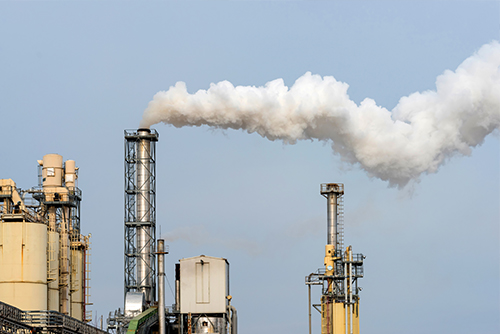
Environmental monitoring protects not just the environment but the people who work within it. For Malaysian industries, it plays a crucial role in maintaining safety, compliance, and sustainability across daily operations.
1. Protecting Worker Health and Safety
Exposure to harmful substances such as dust, VOCs, or toxic gases can cause long-term respiratory issues, skin irritation, or even chronic illnesses. Noise, poor air circulation, or contaminated water sources can also affect worker well-being and productivity.
Environmental monitoring acts as a first line of defence, detecting these hazards early so corrective actions can be taken before health problems occur.
- Air monitoring prevents exposure to dust, fumes, and volatile chemicals.
- Noise monitoring protects against hearing loss and fatigue.
- Water and waste testing prevent indirect exposure through contaminated sources.
By creating safer work environments, companies reduce absenteeism, health claims, and potential liabilities, while improving morale and retention.
2. Preventing Costly Violations and Penalties
The Department of Environment (DOE) imposes strict penalties for exceeding emission or discharge limits under the Environmental Quality Act 1974.
Non-compliance can lead to fines, shutdowns, and reputational damage.
With continuous monitoring and accredited testing, industries can identify risks before they become violations, avoiding costly disruptions and ensuring smoother audits.
3. Driving Operational Efficiency
Monitoring data helps companies understand how processes affect their surroundings. By analysing trends in air, water, and waste, businesses can optimize operations, reduce raw material loss, and improve energy use. This leads to better productivity and lower operational costs over time.
4. Supporting Sustainability and ESG Goals
In today’s manufacturing landscape, safety and sustainability go hand in hand. Environmental monitoring provides the data companies need for ESG reporting, green certifications, and stakeholder transparency.
It also helps organizations reduce their environmental footprint by improving control over emissions, waste, and resource use.
5. Building a Safer Industrial Future
In Malaysia’s growing industrial sectors, from palm oil and chemicals to semiconductors, proactive environmental monitoring is no longer optional. It is a core part of responsible business practice.
By reducing hazards and improving safety, industries protect their workers while keeping operations running smoothly and responsibly.
Ever wondered if the packaging around your food is as safe as what is inside it? Discover the hidden chemicals that can leach into your meals and how to protect your health.
Environmental Monitoring Solutions

Different monitoring methods serve various purposes. Most industrial facilities benefit from combining real-time monitoring tools with accredited laboratory testing to ensure accuracy, compliance, and reliable decision-making.
1. Real-Time Sensors
Real-time sensors continuously track environmental conditions, including air quality, temperature, humidity, particulate levels, and VOC concentrations. They provide immediate visibility into changing environmental conditions, allowing facilities to identify issues the moment they occur.
Best for:
- Continuous monitoring and trend analysis
- Early detection of sudden changes
- Triggering instant alerts for quick corrective action
2. DOE-Accredited Laboratory Analysis
Some parameters require precise, validated testing that only accredited laboratories can provide. Laboratory analysis is essential when results must meet DOE limits or be used for audits, permits, and compliance reporting.
Used for:
- Verifying regulatory compliance
- Confirming pollutant levels, chemical composition, and waste characteristics
- Producing defensible, high-accuracy reports
3. Scheduled Waste Analysis
Scheduled waste must be tested to determine its chemical composition, hazardous properties, and correct disposal method. This ensures facilities manage waste responsibly and avoid penalties.
Helps companies:
- Classify waste accurately
- Comply with DOE-scheduled waste regulations.
- Prevent improper disposal or unsafe handling.
4. Calorific Value Testing
Calorific value testing measures the energy potential of waste materials — beneficial for recycling and waste-to-energy initiatives.
Benefits include:
- Determining suitability for energy recovery
- Supporting sustainable waste management
- Improving disposal planning
When to Use Each Method
| Method | Best Used For | Purpose |
| Real-Time Sensors | Continuous monitoring | Quick alerts, operational visibility, and trend tracking |
| Laboratory Analysis | Compliance testing | Accurate, validated results required by DOE |
| Scheduled Waste Analysis | Waste classification | Ensures proper handling, transport, and disposal |
| Calorific Value Testing | Energy recovery assessment | Identifies waste suitable for incineration or recycling |
Analytical Excellence Since 1977
Trusted by industry leaders for precise, compliant, and high-quality analytical results.
5 Steps to Implement Environmental Monitoring
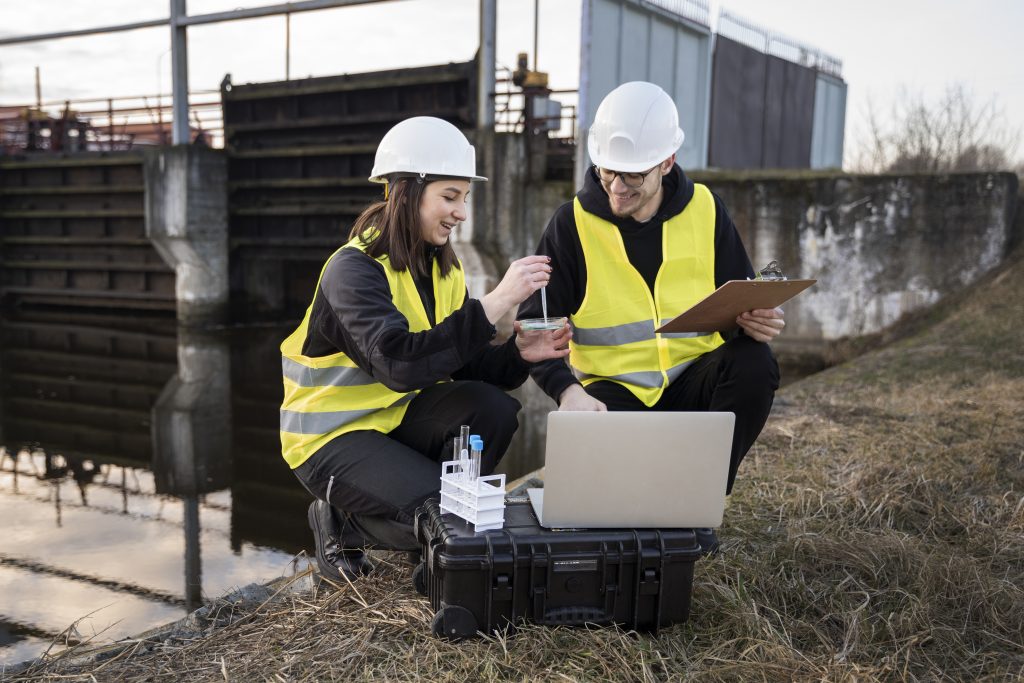
Implementing environmental monitoring does not have to be complicated. These five steps provide Malaysian industries with a clear roadmap to get started — no matter the facility’s size or budget.
1. Identify Your Risks
Begin by assessing which parts of your operations pose the highest environmental risk, such as processes that emit pollutants, areas with worker exposure to dust or chemicals, or potential pathways for air, water, and soil pollution. This helps ensure you are focusing on the most important areas first.
Evaluate risks by considering:
- Processes that generate emissions or waste
- Areas where workers may be exposed to dust, chemicals, or noise
Potential pollution pathways (air, water, soil) - Past incidents or DOE notices
2. Choose the Right Monitoring Methods
Select monitoring tools based on your risks and DOE requirements. This may include real-time sensors, accredited laboratory testing, or specialised assessments like VOC testing or chimney emission monitoring. The right mix ensures accurate and meaningful data.
Consider using a mix of methods:
- Real-time sensors for constant tracking, early warnings, and trend analysis.
- Accredited laboratory testing for compliance, detailed pollutant analysis, and precise validation.
- Specialised tests such as VOC testing or waste analysis
3. Set Your Budget and Timeline
Monitoring does not need to be costly. Start with essential tests, then scale up gradually. Plan for equipment or sampling costs, testing frequency, reporting deadlines, and ongoing maintenance to keep your program sustainable.
Plan your monitoring program by considering:
- Equipment or sampling costs
- Frequency of testing (monthly, quarterly, or annual tests, depending on the parameter)
- DOE reporting requirements
- Long-term maintenance and calibration to ensure sensors remain accurate.
4. Train Your Team
Equip your staff with the knowledge to collect samples, use monitoring tools, and respond to abnormal readings. Practical training ensures consistent data quality and faster action when issues arise.
Effective training should cover:
- How to use monitoring equipment, including handling sensors, data loggers, and sampling tools
- How to collect and store samples properly to avoid contamination or incorrect readings
- How to interpret alerts or readings so that abnormalities can be addressed quickly
- Emergency procedures when unsafe levels are detected
5. Use the Data to Improve
Monitoring is only valuable when the data is used. Analyse trends to fix issues early, refine safety procedures, reduce emissions, strengthen DOE compliance, and improve day-to-day operations.
Use your monitoring data to:
- Identify issues early and fix them before they escalate
- Improve safety procedures for workers and high-risk areas
- Reduce waste and emissions to minimise environmental impact
- Strengthen DOE compliance with accurate reports and evidence of corrective actions
- Optimize operations by understanding trends, inefficiencies, and process weaknesses
Overcoming Common Challenges in Environmental Monitoring
Many companies hesitate to implement environmental monitoring because of everyday challenges. The good news is that most of these barriers can be solved with simple, cost-effective strategies.
1. Budget Limitations
Environmental monitoring may seem expensive, especially when considering equipment, testing frequency, or long-term maintenance. But with the proper planning, it can be surprisingly affordable, even for smaller facilities.
How to overcome it:
- Start with mandatory tests first
Focus on DOE-required monitoring for air emissions, water effluent, or scheduled waste. This ensures compliance without unnecessary upfront costs.
- Use periodic laboratory sampling instead of full-time equipment
Lab sampling can provide accurate results without the need for continuous sensors, making it ideal for facilities with lower-risk operations.
- Remember that prevention is significantly cheaper
A single violation, production halt, or corrective action can cost far more than routine monitoring. Preventive testing often costs up to 80% less than fixing environmental failures later.
2. Limited Technical Expertise
Not every company has environmental officers or in-house specialists. Many facilities worry about collecting samples correctly, reading sensor data, or managing DOE reporting.
How to overcome it:
- Partner with an accredited, experienced laboratory
Labs like Biochem Laboratories provide guidance, testing, and result interpretation, ensuring accuracy without requiring internal expertise.
- Choose monitoring systems with user-friendly dashboards and automatic alerts
Modern tools simplify monitoring by flagging issues before they escalate.
- Start with a simple program and expand gradually
Begin with critical parameters (such as air emissions or waste analysis) and build a more comprehensive program as your team becomes more familiar with the process.
3. Malaysia’s Tropical Climate Affects Equipment
High humidity, heat, and heavy rainfall in Malaysia can interfere with the accuracy and lifespan of monitoring equipment. Condensation, temperature fluctuations, and dust exposure often cause sensor drift or inconsistent readings.
How to overcome it:
- Choose sensors designed for tropical or high-humidity environments
Weather-resistant or industrial-grade devices perform better in local conditions.
- Schedule regular maintenance and calibration
Even the best equipment needs routine checks to ensure reliability.
- Use laboratory testing as a validation method
When sensors are affected by weather, lab analysis provides a stable, accurate reference point.
Strengthen Your Environmental Compliance With Confidence

Environmental risks do not just affect the environment — they also impact your workers, your operations, and your reputation. With stricter DOE requirements and growing ESG expectations, having accurate, reliable environmental data is no longer optional for Malaysian industries.
With our ISO/IEC 17025–accredited laboratory, Biochem Laboratories delivers trusted, high-quality Environmental Monitoring services to help you detect hazards early, stay compliant, and protect the people and communities around your facility.
Key Environmental Monitoring Services We Provide
- Industrial Effluent & Sewage Monitoring
- Ambient Air Monitoring
- Border / Boundary Noise Monitoring
- Chimney Air Emission Monitoring
- Generator Set (Air Emission / Noise) Monitoring
Take the next step toward safer, compliant, and more sustainable operations. Partner with Biochem Laboratories for trusted Environmental Monitoring solutions tailored to your industry needs.
FAQs
1. How often should Malaysian manufacturers monitor?
Monitoring frequency depends on DOE requirements and the type of activity.
- Air emissions, chimney stacks & generator sets: typically quarterly or biannually
- Effluent & sewage: monthly or according to your IETS/PE license
- Noise boundary monitoring: quarterly
- Ambient air / VOC monitoring: varies based on risk or project requirements
Many companies also choose real-time sensors for continuous tracking between scheduled tests.
2. What is the typical cost of environmental monitoring in Malaysia?
Costs vary based on test type, sampling frequency, number of parameters, and site complexity.
In general:
- Basic air or noise monitoring: relatively affordable
- Chimney stack testing/effluent analysis: moderate investment
- Specialised tests (VOC, metals, scheduled waste): higher due to complex lab work
Most manufacturers start with mandatory DOE tests and scale up as needed. Early detection is always cheaper than paying for violations, equipment damage, or worker health claims.
3. Can we combine different environmental monitoring methods?
Yes — combining multiple monitoring methods is not only okay, it is recommended.
A combined approach gives you the best protection because:
- Real-time sensors provide immediate alerts and trend visibility
- Accredited laboratory testing ensures accuracy and DOE-compliant results
- Specialised tests (like VOC or waste analysis) fill in any gaps
Using them together gives a more complete picture of your environmental performance and reduces the risk of missed issues.
4. How long does environmental monitoring usually take to complete?
It depends on the type of monitoring:
- Air, noise, and ambient monitoring can be completed within a few hours.
- Effluent, wastewater, and waste sampling may take longer due to laboratory processing times.
Most companies receive full reports within 3–7 working days, depending on analysis complexity.
5. What happens if my monitoring results exceed legal limits?
If results exceed DOE requirements, the following steps are usually included:
- Identifying the source of the issue
- Implementing corrective actions (such as repairs, process changes, or treatment upgrades)
- Conducting follow-up testing to verify improvement
A qualified laboratory can guide you through corrective actions to prevent repeat violations.
Get In Touch With Us And Get A Quote
Drop us a line for more service details and pricing information.