


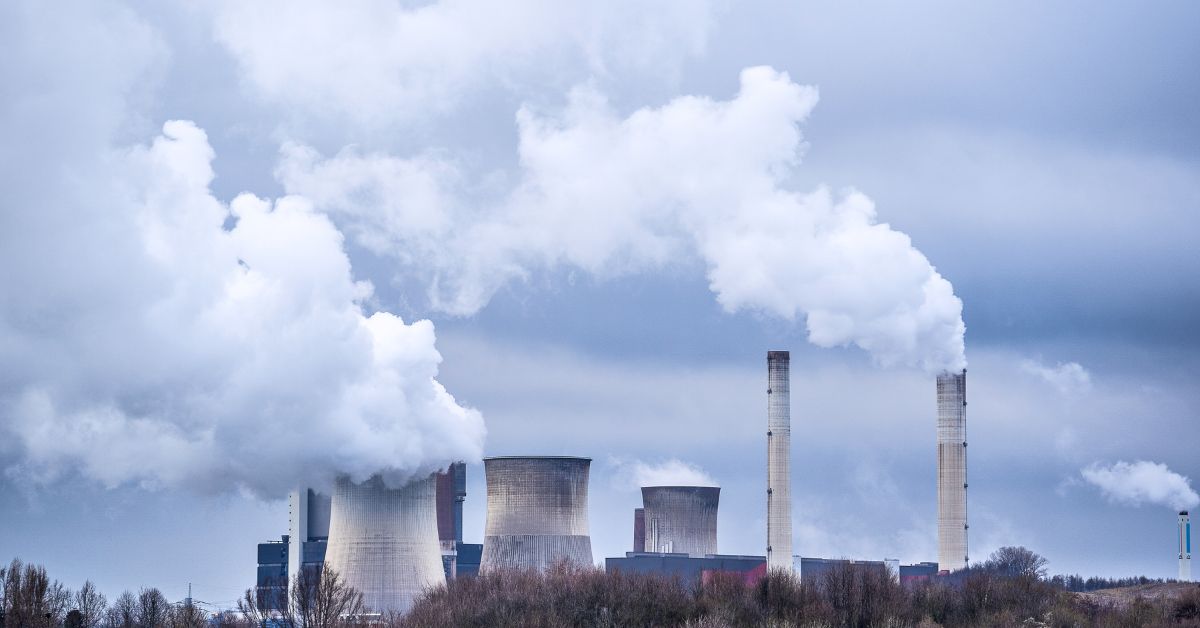
Industrial growth drives economic progress, innovation, and employment. Yet alongside production comes responsibility — particularly in managing stack pollution.
Chimneys and industrial stacks release gases and particulates generated during manufacturing processes. Without proper monitoring and control, these emissions may affect worker safety, community health, and the surrounding environment.
For industrial operators and manufacturers in Malaysia, understanding which are the main air pollutants emitted from stacks is not merely a regulatory requirement, but a commitment to operational excellence and sustainability.
This article outlines the key pollutants commonly detected in stack emissions, their sources, and their potential impact, while highlighting the importance of systematic monitoring in line with Malaysian regulations.
What Is Stack Emission Monitoring?

Stack emission monitoring refers to the measurement and analysis of gases and particulates released from industrial chimneys or exhaust stacks.
It is a critical component of environmental monitoring, ensuring that emissions comply with legal limits and do not pose unnecessary risks.
Regular monitoring enables industries to:
- Detect harmful pollutants early
- Optimise combustion efficiency
- Protect worker health
- Reduce environmental impact
- Ensure compliance with Malaysian environmental laws
For a broader overview of environmental testing solutions, refer to our Environmental Monitoring services page.
Which Are the Main Air Pollutants Emitted from Stacks?
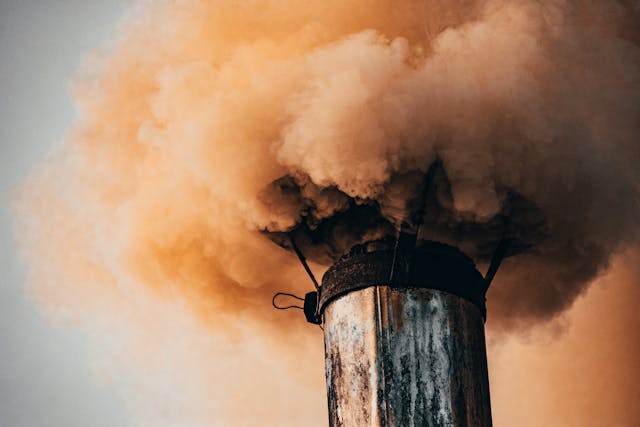
Industrial stacks can emit various pollutants depending on the fuel type, manufacturing process, and raw materials used. Below are the key pollutants typically monitored.
1. Volatile Organic Compounds (VOCs)
Source:
Paint manufacturing, printing, petrochemical processing, solvent use, and fuel combustion.
Impact:
VOCs react with nitrogen oxides under sunlight to form ground-level ozone (smog). Some VOCs are toxic and may cause respiratory irritation, headaches, or long-term organ damage with prolonged exposure.
Environmental Concern:
Contribute to air pollution and photochemical smog formation.
BioChem provides specialised VOC testing services to help industries assess and manage emissions effectively.
Learn more about VOCs in this comprehensive article.
2. Methane (CH₄)
Source:
Waste treatment facilities, landfills, oil and gas processing, and incomplete combustion.
Impact:
Methane itself is not highly toxic at low concentrations but is a powerful greenhouse gas — significantly more effective at trapping heat than carbon dioxide over a 20-year period.
Environmental Concern:
Contributes to climate change and global warming.
Monitoring methane emissions helps organisations align with sustainability goals and carbon reduction commitments.
3. Nitrogen Oxides (NOx)
Source:
High-temperature combustion processes such as boilers, furnaces, and power generation systems.
Impact:
Exposure may cause respiratory issues and aggravate asthma.
Environmental Concern:
NOx contributes to acid rain, smog formation, and secondary particulate matter.
Proper combustion control and emission testing reduce these risks significantly.
Analytical Excellence Since 1977
Trusted by industry leaders for precise, compliant, and high-quality analytical results.
4. Sulphur Dioxide (SO₂)
Source:
Burning sulphur-containing fuels such as coal or heavy oil.
Impact:
Can irritate the respiratory system and worsen heart and lung diseases.
Environmental Concern:
Major contributor to acid rain, which damages vegetation, soil, and water ecosystems.
Industries using fossil fuels must routinely monitor SO₂ levels to ensure regulatory compliance.
5. Carbon Monoxide (CO)
Source:
Incomplete combustion of fuels.
Impact:
Carbon monoxide reduces oxygen delivery in the body and may cause dizziness, fatigue, or more serious health effects in high concentrations.
Environmental Concern:
Although less persistent in the atmosphere than other gases, CO is a marker of inefficient combustion.
Monitoring CO also helps optimise operational efficiency and reduce fuel wastage.
6. Particulate Matter (PM)
Source:
Combustion processes, material handling, cement production, and metal processing.
Impact:
Fine particles (PM2.5 and PM10) can penetrate deep into the lungs and bloodstream, increasing the risk of respiratory and cardiovascular diseases.
Environmental Concern:
Reduces air quality and visibility while posing long-term public health risks.
Stack emission testing evaluates particulate concentration to ensure safe discharge levels.
7. Hydrogen Chloride (HCl) and Other Acid Gases
Source:
Waste incineration, chemical manufacturing, and certain industrial processes.
Impact:
Corrosive and harmful to respiratory tissues.
Environmental Concern:
Contributes to acid deposition and environmental degradation.
Learn how environmental monitoring reduces industrial risk in this informative write-up.
8. Heavy Metals (e.g. Mercury, Cadmium, Lead, Arsenic)
Source:
Waste incineration, metal processing, coal combustion, and certain chemical industries.
Impact:
Heavy metals are toxic even at very low concentrations and may accumulate in the body over time.
Environmental Concern:
Can contaminate soil and water systems through atmospheric deposition.
Regulatory Note (Malaysia):
Heavy metals are regulated under the Environmental Quality (Clean Air) Regulations 2014 for specific prescribed premises.
At-a-Glance: Main Air Pollutants Emitted from Industrial Stacks
| Pollutant | Primary Source | Key Concern |
| VOCs | Solvents, petrochemicals, fuel combustion | Smog formation and respiratory effects |
| Methane (CH₄) | Waste facilities, oil & gas | Powerful greenhouse gas |
| NOx | High-temperature combustion | Smog and acid rain |
| SO₂ | Burning sulphur-containing fuels | Acid rain and lung irritation |
| CO | Incomplete combustion | Toxic at high levels; inefficient combustion indicator |
| Particulate Matter (PM) | Combustion, cement, metal processing | Lung and heart health risks |
| HCl & Acid Gases | Incineration, chemical processes | Corrosive; acid deposition |
| Heavy Metals | Coal combustion, incineration | Toxic and bioaccumulative |
Malaysian Regulatory Requirements for Stack Emissions
In Malaysia, industrial emissions are governed primarily by:
- Environmental Quality Act 1974 (EQA 1974)
- Environmental Quality (Clean Air) Regulations 2014
The Clean Air Regulations 2014 specify permissible emission limits for various pollutants depending on industry type and fuel source. Prescribed premises under the Environmental Quality (Clean Air) Regulations 2014 are required to:
- Conduct periodic stack emission monitoring
- Maintain emission records
- Ensure compliance with prescribed limits
- Submit reports to the Department of Environment (DOE), where required
Non-compliance may result in penalties, fines, or operational restrictions.
Regular testing by a SAMM ISO/IEC 17025 accredited laboratory, such as BioChem, ensures data accuracy and regulatory credibility.
Why Regular Stack Emission Monitoring Matters
Beyond regulatory compliance, monitoring demonstrates corporate responsibility.
Protecting Worker Health
Employees working near combustion systems or exhaust systems may face exposure risks. Early detection prevents occupational health issues.
Safeguarding Community Wellbeing
Industrial facilities are often located near residential or commercial areas. Responsible monitoring protects public health.
Improving Operational Efficiency
Emission patterns often reveal combustion inefficiencies, enabling cost savings through optimisation.
Strengthening Brand Reputation
Environmental stewardship builds trust with stakeholders, investors, and customers.
How BioChem Supports Your Compliance Journey
Established in 1977, BioChem is an accredited laboratory recognised by the Ministry of Health (MOH) with ISO/IEC 17025 SAMM accreditation. Our environmental monitoring services are designed to meet stringent quality requirements across food, chemical, pharmaceutical, cosmetics, and semiconductor industries.
Our Chimney Air / Stack Emission Monitoring services include:
- Sampling and analysis of key gaseous pollutants
- Particulate matter testing
- VOC assessment
- Residual solvent analysis
- Scheduled waste analysis
- Detailed reporting aligned with Malaysian regulatory standards
With competitive pricing and reliable technical expertise, BioChem acts as a trusted compliance partner rather than just a testing provider.
Moving Towards Responsible Industrial Operations
Understanding what type of pollutant is produced by stacks is the first step towards responsible environmental management. Monitoring is not merely about meeting regulatory thresholds — it reflects a company’s commitment to safety, sustainability, and long-term operational resilience.
With decades of expertise and accredited capabilities, BioChem supports industries in maintaining compliance while protecting people and the planet.
If your organisation requires professional and reliable stack emission testing, contact BioChem today and ensure your emissions remain within safe and compliant limits.
FAQs
1. How often should stack emissions be monitored in Malaysia?
The frequency depends on the industry category and licence conditions under the Environmental Quality (Clean Air) Regulations 2014. Many facilities conduct annual or semi-annual testing, but specific requirements may vary.
2. What industries are required to conduct stack emission monitoring?
Industries involving combustion processes, chemical manufacturing, incineration, food processing, petrochemicals, and heavy manufacturing are commonly required to perform monitoring.
3. What happens if emission levels exceed permissible limits?
Exceedances may result in corrective action notices, fines, or enforcement measures by the Department of Environment (DOE). Immediate investigation and mitigation are typically required.
4. Can stack monitoring help reduce operational costs?
Yes. Monitoring can identify inefficient combustion or excessive fuel usage, enabling process optimisation and cost savings.
5. Is ISO/IEC 17025 accreditation important for emission testing?
Yes. Accreditation ensures the laboratory follows internationally recognised testing standards, providing reliable and defensible data for regulatory submission.
6. What is the difference between ambient air monitoring and stack emission monitoring?
Stack emission monitoring measures pollutants directly at the emission source, while ambient air monitoring assesses air quality in the surrounding environment.
Get In Touch With Us And Get A Quote
Drop us a line for more service details and pricing information.