


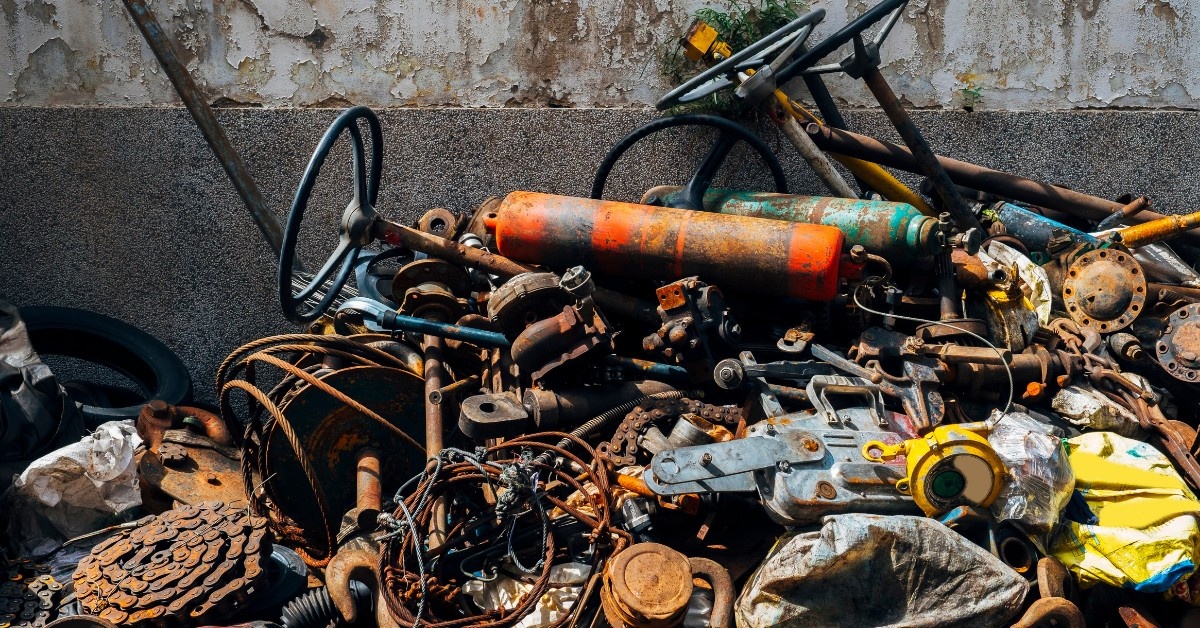
Did you know Malaysia produced 5,841,596.82 metric tonnes of scheduled waste in 2023? Many assume scheduled waste is the same as general industrial waste, but proper scheduled waste disposal and management of hazardous waste require stricter handling and compliance.
Improper disposal can cause soil and water contamination, health hazards, regulatory penalties, and reputational damage. Effective scheduled waste management ensures businesses know where to dispose of waste safely and how to manage industrial waste responsibly.
This guide highlights key compliance points and practical steps, showing how accurate laboratory testing and reliable solutions can help industries meet regulatory standards and protect environmental quality.
Scheduled Waste Overview
What Is Scheduled Waste?
Scheduled waste in Malaysia refers to hazardous materials regulated under the Environmental Quality (Scheduled Wastes) Regulations 2005 (EQR 2005). These wastes have properties such as toxicity, flammability, or corrosivity that can harm human health and the environment and may exist in solid, semi-solid, liquid, or gaseous forms.
There are 77 types of scheduled waste grouped into five categories, commonly generated by industries such as manufacturing, healthcare, automotive, electronics, and laboratory operations.
Scheduled waste is different from general industrial waste based on several factors:
| Properties | Scheduled Waste | General Industrial Waste |
| Characteristics | Considered dangerous substances due to their properties | Not categorized as a hazardous substance |
| Regulations | Monitored by the Malaysian Environmental Department | Managed under general waste management guidelines |
| Handling and Storage Requirements | Need specialised handling, labelled containers, designated storage areas, and compliance with strict storage time limits. | Can be stored and handled using standard industrial waste practices without specialised containment. |
| Treatment and Disposal Methods | Must be treated, transported, and disposed of by licensed contractors at approved facilities. | Can typically be disposed of through regular waste collection services or recycling facilities. |
| Documentation and Compliance | Requires mandatory documentation, including inventory records, consignment notes, and regulatory reporting. | Does not require detailed regulatory documentation beyond basic waste tracking |
Unsure if your waste qualifies as scheduled waste? Contact Biochem Laboratories for expert testing and guidance to ensure safe, compliant handling and disposal.
Accredited Testing, Reliable Results
Supporting diverse industries with ISO-accredited testing and trusted analytical data since 1977.
Why Scheduled Waste Management Matters
Proper management of scheduled waste is vital to protect the environment, safeguard human health, ensure regulatory compliance, and prevent business and financial risks.
Environmental Impact
- Soil & Water Contamination: Hazardous waste can leach into soil and groundwater, polluting land and aquifers.
- Air Pollution: Volatile chemicals release toxic emissions affecting nearby communities and wildlife.
- Ecosystem Damage: Long-term contamination reduces biodiversity and harms aquatic life.
- Malaysia Case Examples: E-waste recycling sites have caused odour and potential contamination issues.
Health Impacts
- Acute Exposure: Chemical burns, respiratory irritation, and immediate health effects for workers and nearby communities.
- Chronic Risks: Long-term exposure to carcinogens and heavy metals can accumulate in the body.
- Worker Safety: Inadequate protection increases occupational hazards.
Business & Legal Implications
- Penalties: Violations under the Environmental Quality Act 1974 may incur fines up to RM500,000 and or 5 years imprisonment.
- Compliance Risks: DOE audits, license suspension, or revocation can disrupt operations.
- Remediation Costs: Cleanup can range from RM50,000 to over RM500,000 depending on severity.
- Reputation & Liability: Loss of certifications, supply chain disruption, and insurance implications for non-compliance.
Environmental liability extends beyond scheduled waste. We have a guide on comprehensive environmental monitoring to help businesses identify and mitigate industrial risks before they become violations.
Types of Scheduled Waste in Malaysian Industry
The First Schedule of EQR 2005 lists 77 types of scheduled waste, categorised into five main groups. These substances use SW codes for tracking, monitoring, and compliance purposes.
Scheduled Waste Category Table
| Category | Type | Examples | Industries |
| SW 100 Series | Metal or metal-bearing waste | lead acid batteries, dust or slag from metals excluding slag from iron & steel factory and electric & electronic assembly waste | Electronics manufacturing, metal finishing,or battery recycling |
| SW 200 Series | Mainly inorganic waste; may contain metals and organic materials | Asbestos waste, waste containing metal (such as zinc, metal, or copper), and waste from power plants | Construction, chemical manufacturing, or power generation |
| SW300 Series | Mainly organic waste, may contain metals and inorganic materials | Latex waste, oil refinery plant sludge, and glycerol soap lye residue | Oil refining, automotive workshops, or printing operations |
| SW400 Series | Waste which may contain either organic or inorganic components | Clinical wastes, ink & paint sludges, explosive waste, and scheduled waste incinerator ashes | Healthcare facilities, pharmaceutical, or painting operations |
| SW500 Series | Other wastes | Residues from treatment or recovery of scheduled wastes | Waste treatment facilities |
Many electronic wastes are classified as scheduled waste. Learn how RoHS compliance impacts safe handling and disposal in our full guide on electronics material management.
How to Manage Scheduled Waste: A Complete Process
Step 1: Identify and Characterise Your Waste Accurately
Accurate identification is the foundation of proper scheduled waste management. Misclassification can result in regulatory penalties, increased disposal costs, and environmental risks, as each substance requires specific handling and disposal methods.
Why Visual Assessment Is Not Enough
Many scheduled wastes look identical to the naked eye. Spent cutting fluids, wastewater treatment sludge, and cleaning solutions can all appear as murky liquids or semi-solid pastes. But their chemical composition can vary based on raw material suppliers, process modifications, or even seasonal temperature changes affecting chemical reactions.
Thus, their SW codes can be completely different. Laboratory testing ensures the correct SW code is applied, avoiding fines and liability.
Common Mistakes
- Assuming similar processes produce the same waste, even when formulations differ
- Using outdated SW codes after supplier or process changes
- Mixing waste streams, creating SW421(mixture of scheduled wastes) substances that require more expensive treatment
- Relying solely on Safety Data Sheets, which describe unused products, not spent waste
Accurate characterisation is essential for safe, compliant, and cost-effective scheduled waste disposal.
When Laboratory Testing Becomes Essential

Chemical analysis is recommended when generating new waste streams, modifying processes or raw materials, facing DOE audits, encountering unclear classifications, or when disposal costs seem unusually high.
Testing typically costs between RM400 to RM2,500 per sample, while misclassification can lead to penalties up to RM500,000 or tens of thousands in unnecessary disposal fees annually.
To assign the correct scheduled waste code and support safe handling and disposal, laboratory analysis evaluates key waste characteristics, including:
- Physical properties: Assesses colour, texture, moisture content, and flash point to determine handling, storage, and safety requirements
- Chemical characteristics: Measures pH, total solids, COD, BOD, and oil and grease content to support classification and treatment planning
- Heavy metals: Identifies toxic metals such as lead, mercury, cadmium, chromium, nickel, and arsenic for hazard and SW category assessment
- Organic compounds: Detects volatile and semi-volatile organics including hydrocarbons, phenols, and solvents
- Leachability (TCLP): Evaluates the potential for contaminants to leach into soil or groundwater during disposal
- Reactivity and corrosivity: Determines reactive, oxidising, acidic, or highly alkaline properties that affect safety and compliance
Accurate laboratory results support correct classification, safer handling, and compliance with DOE requirements.
How Biochem’s Laboratory Analysis Works
Biochem provides precise, scheduled waste analysis, determining exact SW codes with supporting documentation that stands up during audits. Our process includes:
- Sample collection guidance to ensure representative results
- ISO 17025-accredited testing for heavy metals, pH, ignitability, reactivity, and toxicity
- Comprehensive reporting with SW code recommendations and regulatory references
- Compliance consultation to help implement proper waste management
The turnaround time is usually around two weeks, but we’ll try our best to deliver the results earlier—making this a smart investment to reduce disposal costs, prevent penalties, and ensure regulatory compliance.
Analytical Excellence Since 1977
Trusted by industry leaders for precise, compliant, and high-quality analytical results.
Step 2: Proper Packaging, Labelling, and Storage
Once scheduled waste is accurately identified, proper packaging and storage are essential to prevent accidents, environmental contamination, and regulatory violations. Malaysia’s tropical climate adds unique challenges that generic storage guidelines don’t fully address.
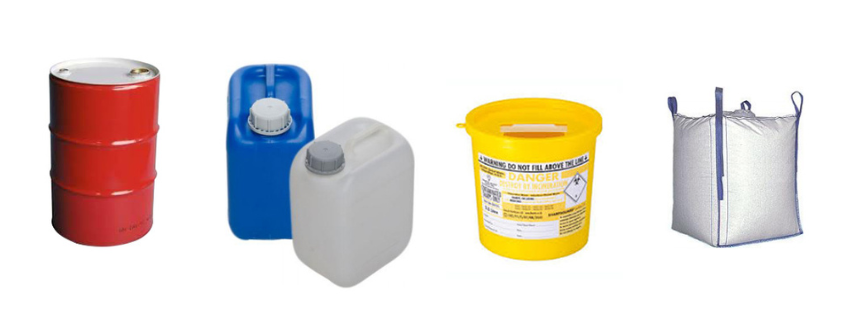
Container Selection by Waste Type
 eSWIS
eSWISLiquid wastes (solvents, spent oils, acids)
- Non-corrosive liquids: steel 200L drums
- Corrosive acids/alkalis: HDPE drums
- Large volumes: Intermediate Bulk Containers (IBCs)
Tip: Never use steel for acidic wastes as tropical humidity accelerates corrosion within weeks.
Solid wastes (sludges, contaminated materials)
- Open-top steel drums with clamp covers
- Heavy-duty corrugated boxes for dry, non-leaking materials
- Double-lined FIBCs (jumbo bags) for powders/dusts
Clinical/pathogenic wastes (SW404)
- UN-approved sharps containers
- Yellow clinical waste bags (≥100 microns)
- Rigid, leak-proof containers with biohazard symbols
Tip: Inspect containers for dents, rust, or cracks. In Malaysia, metal corrodes 3 to 5 times faster than temperate climates, so budget for replacement or use galvanized steel with protective coatings.
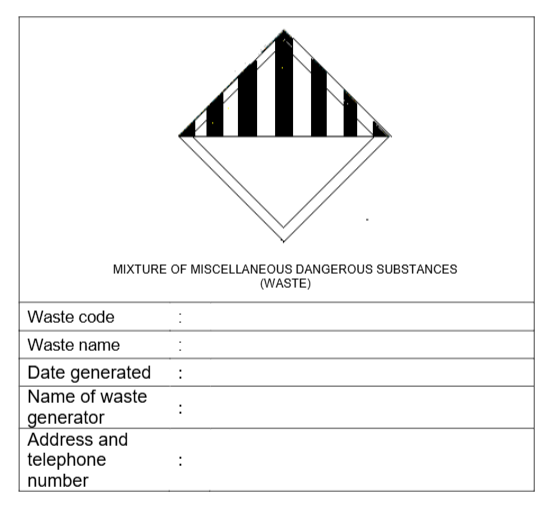
Mandatory Labelling
Each container must display:
- Date generated
- Generator’s name, address, and phone
- Scheduled waste code (First Schedule)
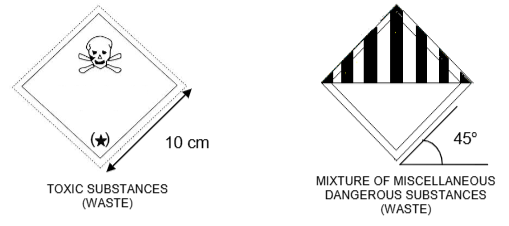
- Appropriate hazard symbol (such as flammable, corrosive,or toxic)
 Department of Environment
Labels should be weatherproof, at least 10×10 cm, and placed at a 45-degree angle. Standard paper labels degrade quickly in humidity, and illegible labels during a DOE audit are considered violations.
 Department of Environment
Storage Requirements & Climate Considerations
Scheduled waste may be stored for up to 180 days on-site, with a maximum quantity of 20 metric tonnes, or 20 kilograms for highly hazardous wastes, unless DOE approval is obtained. Incompatible wastes must be segregated at all times.
Climate-specific measures include covered storage to prevent overheating, raised platforms 15 to 20 centimetres above floor level to reduce flood risk, secondary containment with adequate bunding capacity, and good ventilation to limit VOC accumulation and fire hazards.
Managing Malaysia’s Climate Challenges
- Monsoon Season (November-February): Verify drainage systems are clear, check elevated platforms are stable, and ensure roof coverings are secure. Consider water barriers for ground-level access.
- Hot Season (March-May): Monitor temperatures in enclosed areas. Volatile compounds expand in heat, causing pressure buildup. Increase ventilation and inspect containers more frequently.
- Year-Round Humidity: Use moisture-absorbing materials and replace corrugated boxes more frequently as cardboard degrades rapidly in high humidity.
Step 3: Transportation by Licensed Contractors
When storage limits or time thresholds are reached, scheduled waste must be transported by DOE-licensed contractors. Generators are responsible for verifying transporter licences through the Electronic Scheduled Waste Information System (eSWIS) and remain legally accountable for the waste until final disposal.
Licensed contractors manage consignment notes within eSWIS, establishing a traceable chain of custody. Transporters offering rates significantly below market norms should be treated with caution, as inadequate licensing or safety practices can expose generators to serious liability.
Step 4: Disposal at Approved Facilities
Scheduled waste must be treated or disposed of at DOE-licensed Prescribed Premises for the Treatment and Disposal of Scheduled Wastes(PYDT) facilities using methods appropriate to the waste type. These include incineration for organic and clinical wastes, chemical treatment for acids and heavy metals, secure landfilling for treated residues, and recovery or recycling where materials such as oils, solvents, or metals can be reclaimed.
Disposal costs vary based on waste classification, quantity, and treatment complexity. Accurate laboratory testing helps ensure wastes are treated correctly and prevents overpayment. Misclassifying spent oil as a halogenated solvent, for example, can result in disposal costs two to three times higher than necessary.
Step 5: Record Keeping and eSWIS Compliance
All scheduled waste activities must be recorded in the eSWIS portal. Generators must report new waste types or quantity changes within 30 days and retain records for a minimum of three years.
Required documentation includes waste inventories, consignment notes, disposal certificates, and laboratory test reports. Common compliance failures involve outdated inventories, missing consignment notes, or unclosed records after disposal.
Biochem Laboratories’ reports align with eSWIS requirements, helping ensure audit-ready documentation. Our compliance support services can also review submissions in advance to reduce inspection risks and operational disruptions.
Best Practices for Safe Handling and On-Site Scheduled Waste Management
Safe on-site management reduces accidents, environmental risks, and regulatory issues. Key practices include:
- Personal Protective Equipment (PPE): Always use chemical-resistant gloves, goggles and face shields, protective footwear, and respirators as needed. Inspect, maintain, and replace regularly.
- Spill Response: Keep spill kits for all waste types. Follow containment and reporting procedures, and call licensed responders for major incidents.
- Incompatible Wastes: Segregate acids, alkalis, oxidisers, flammables, and cyanides. In case of accidental mixing, evacuate and seek professional help.
- Training: Ensure handlers and supervisors are trained in safe handling, PPE use, spill response, and eSWIS compliance. Maintain training records.
- SOPs & Contractors: Implement clear SOPs for waste handling, storage, and documentation. Use licensed contractors and monitor performance to maintain compliance.
Legal Framework & Compliance Requirements
Scheduled waste management in Malaysia is governed by the Environmental Quality Act 1974 and the Environmental Quality (Scheduled Wastes) Regulations 2005. These laws define scheduled waste and set mandatory requirements for its identification, handling, storage, transport, and disposal under the oversight of the Department of Environment (DOE).
Businesses must correctly classify waste, use DOE-licensed contractors, maintain proper packaging and labelling, comply with storage limits, submit accurate eSWIS records, and ensure workers are trained in safe handling procedures.
The DOE conducts both scheduled and unannounced audits, focusing on classification accuracy, storage compliance, labelling, licensing, and documentation. Common violations include misclassification, exceeding storage limits, and incomplete eSWIS records, which can lead to penalties and business issues.
Avoiding the Top 5 Scheduled Waste Mistakes
DOE audits repeatedly highlight the same compliance failures across industries. Avoiding these common mistakes can significantly reduce penalties, audit findings, and operational disruptions.
1. Misclassification Due to No Testing
Issue: Waste is classified by appearance or assumptions, leading to incorrect SW codes.
Avoid it: Conduct laboratory testing for new waste streams, process changes, or audit preparation.
Reality check: RM1,500 testing costs can prevent penalties of up to RM500,000.
2. Exceeding Storage Limits
Issue: The 180-day limit applies from the generation date of each batch, and the 20-tonne limit applies to total scheduled waste on-site, not per category.
Avoid it: Track generation dates and quantities accurately in eSWIS and set internal buffer limits.
3. Mixing Incompatible Wastes
Issue: Improper segregation of acids, alkalis, flammables, and oxidisers can cause fires, toxic releases, or emergency incidents.
Avoid it: Follow the Fourth Schedule compatibility matrix and use separate storage areas or physical barriers.
4. Poor Labelling in Tropical Conditions
Issue: Heat and humidity degrade paper labels, which are treated as missing during audits.
Avoid it: Use waterproof or permanent labelling and inspect labels monthly.
5. Incomplete eSWIS Records
Issue: eSWIS is not updated after waste movement creates discrepancies during audits.
Avoid it: Update records promptly, reconcile monthly, and assign one person to manage eSWIS entries.
Responsible Scheduled Waste Management with Biochem

Managing and disposing of scheduled wastes is a delicate matter due to their hazardous nature. Expert handling by accredited laboratories like Biochem is essential to prevent risks that could threaten both the environment and your industry’s operations.
Our main advantages:
- 47 years of expertise in chemical testing, such as environmental monitoring and scheduled waste analysis,
- ISO/IEC 17025 SAMM-certified laboratory with established quality management systems
- State-of-the-art facilities supporting accurate, compliant, and repeatable testing
- Robust QA/QC processes ensuring data integrity and regulatory confidence
- Regulatory-ready reporting suitable for audits and compliance submissions
Contact our expert lab team today to discuss your testing requirements and safeguard your operations with reliable, professional laboratory support.
FAQs
1. How do I know if my waste qualifies as scheduled waste?
Check if your waste matches the characteristics and types listed in the EQR 2005 Directive. For uncertain cases, laboratory testing can confirm the classification.
2. Can SMEs completely outsource scheduled waste management?
Yes, many services can handle collection, transport, and disposal. However, the generator remains legally responsible for accurate classification and proper record-keeping.
3. How does eSWIS work for new waste generators?
New generators must register on eSWIS, submit waste details, receive a unique generator ID, and comply with reporting requirements.
4. Do small businesses need to comply with scheduled waste regulations?
Yes, all generators above certain quantity thresholds must comply. Small businesses may have simplified reporting, but regulatory responsibilities remain.
5. What is the difference between scheduled waste (SW) disposal and SW recovery?
Disposal means safe destruction or neutralization. Recovery involves reclaiming usable materials or energy from waste where allowed.
Get In Touch With Us And Get A Quote
Drop us a line for more service details and pricing information.